
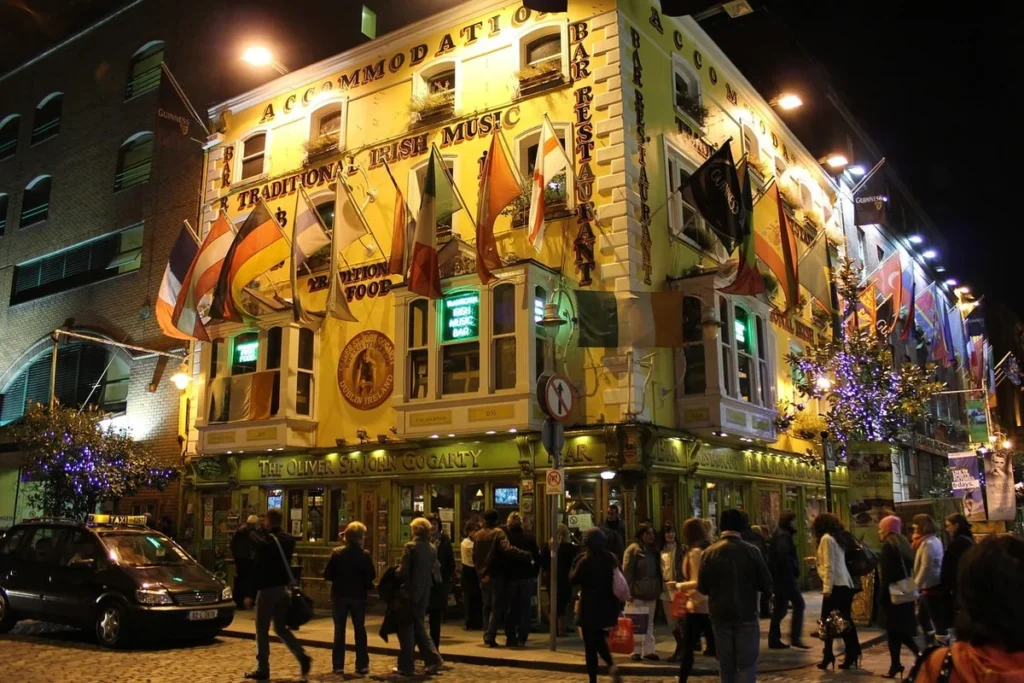
Dublin at night is loud. The streets hum, the pubs pour, and the city seems to hold its breath for no one. But somewhere past the last neon sign, there are gardens. Quiet ones. The kind you have to actually look for.
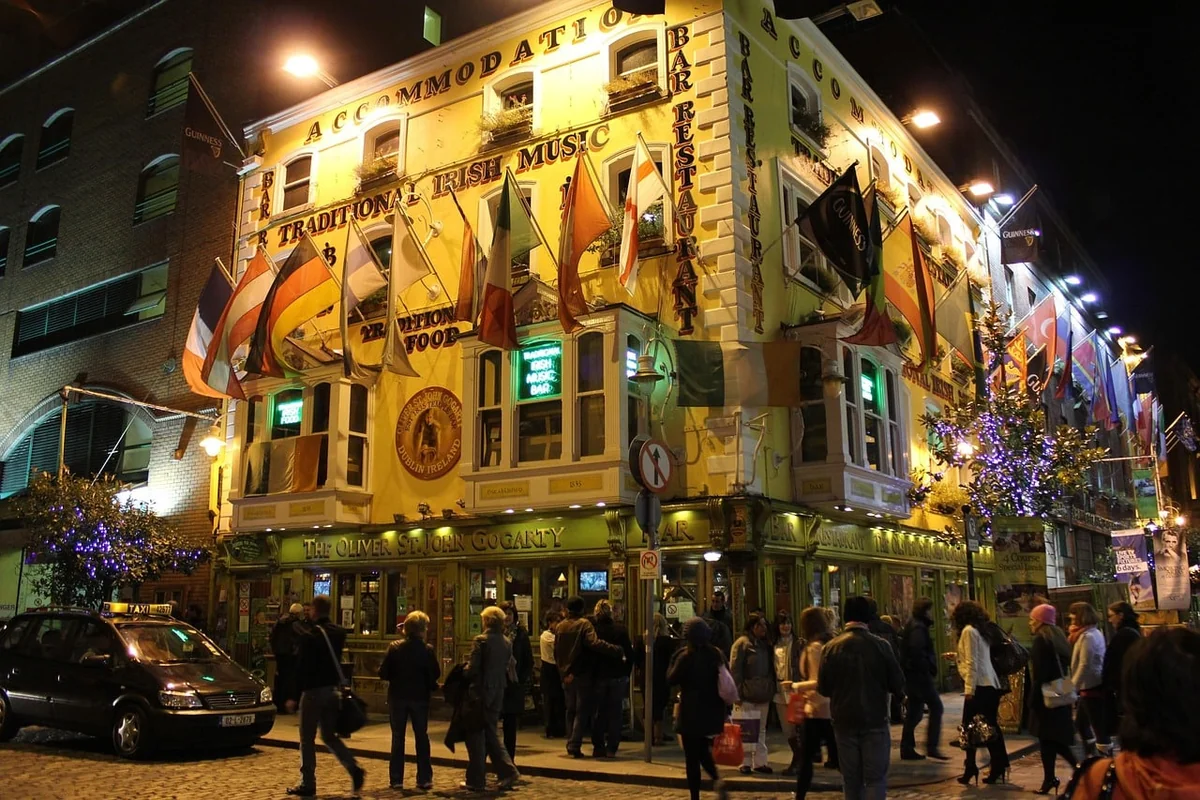
I’ve learned that the best parts of a city usually hide behind something that looks nothing like them — a side street, a locked gate, a garden tucked behind a concert hall. Dublin is full of those. This is my slow list: five green corners off the tourist path, for anyone who wants to feel how the city actually breathes.
Iveagh Gardens: the secret behind the concert hall
Step behind the National Concert Hall and you find Dublin’s best-kept secret. Iveagh Gardens is a Victorian garden that feels almost private, even on a busy afternoon. Fountains, old grottoes, lawns under big trees. Locals drift in with a book and a coffee, and for an hour or two the city just stops.
It’s designed in the formal style of the 19th century, but softened until it feels like someone’s back garden that opened its doors. Time moves differently here. I sat for a long while doing nothing, and it was enough. Free to enter, and right in the city centre — the easiest quiet escape in Dublin, in my opinion.
Blessington Basin: a neighbourhood keeps its own secret
North of the Liffey, past the crowds, there’s a circular reservoir ringed with walking paths, swans, and leafy residential streets. The Blessington Basin was built to carry water for the city, and now it carries something else: the daily rhythm of a neighbourhood.
This isn’t a curated attraction. Joggers, dog walkers, families with prams — it’s a place people live around. Sit on a bench, watch the light move across the water, and you’ll understand why Dubliners claim their corners of the city. It’s free, and the calm is the whole point.
Marsh’s Library Garden: a pause between chapters
Next to one of Ireland’s oldest public libraries sits a small garden that asks you to whisper. Marsh’s Library Garden is surrounded by centuries of intellectual history, and somehow the hush follows you outside the walls.
Inside the library are wooden shelves and rare manuscripts. The garden is the exhale after that — a small green breath before you step back into the modern city. It’s the kind of place I love: a layer of history, literature, and nature in a single short visit.
The Grand Canal Walk: drift, don’t sightsee
Everyone heads for the Liffey. The Grand Canal is quieter, and better for slow walking. The path runs through residential streets and business districts, lined with trees, houseboats, and small pockets of greenery. Traffic fades into birdsong.
Walking here doesn’t feel like sightseeing. It feels like drifting. Cafés appear where you weren’t expecting them. Locals nod as you pass. I walked most of an afternoon and never once checked my phone, which is its own small victory in this city.
Mountjoy Square Gardens: a preserved moment
At the heart of one of Dublin’s Georgian squares, red-brick townhouses look out over a garden that used to be private. Now anyone can step in and stand in a space designed for quiet contemplation.
It’s beautiful in the way old cities are beautiful — symmetry, calm, a sense that the city was planned around green space rather than added to it. If you’re interested in how Dublin was built, this is where the plan shows.
How to stitch a slow route
You don’t need to rush between these. A realistic day: start at Marsh’s Library Garden in the morning, walk to Iveagh Gardens by midday, take the Grand Canal Walk for an unhurried stretch, and end the day at Mountjoy Square as the light goes soft. Blessington Basin works better as a separate morning, when the water is still and the neighbourhood is just waking.
Why hidden gardens matter
Avoiding crowds is one reason. The other is harder to name. In these quiet corners, you can see how a city breathes — how its people rest, reflect, and live with nature woven into daily life. History hides here without plaques or guidebooks, and it rewards anyone patient enough to simply look.
FAQ
Do Dublin’s hidden gardens cost anything?
The five spots above are all free to enter, which makes them easy to slip into any day. The library itself charges a small admission, but the garden is free.
When is the best time to visit?
Late morning and early evening, when the light is soft and the crowds thin out. Iveagh Gardens in particular is best on a weekday morning.
Can I combine these into one day?
Yes — Marsh’s Library, Iveagh Gardens, the Grand Canal Walk, and Mountjoy Square all sit close together in the city centre. Save Blessington Basin for a separate, unhurried morning.
The Golden Hour — late afternoon on the Grand Canal Walk. The light goes amber on the water, the houseboats sit still, and for one hour the whole city seems to slow down with you.
Dublin’s charm doesn’t end where the famous streets do. Behind the noise there’s a network of hidden gardens and quiet corners — and for a few slow hours, the city shows you its most human side. It’s worth wandering off the path. You’ll find a greener, gentler capital waiting there.
A note from Luna: I once spent a whole evening in Iveagh Gardens just listening to the fountain. Nobody was surprised. That’s the point of these places.