
The light is coming through a crack in the curtains and the first thing I do is open the map again. A small cluster of dots in the middle of the Pacific, and I have been staring at it for an hour without deciding which one to send me.
That is the thing about Hawaii that nobody warns you about: there is not a best island. There is just the one that fits how you travel. So let me walk you through each of them the way I wish someone had walked me through it — slowly, honestly, and with reasons attached.
The short version, if you need it
- Oahu — city energy, famous beaches, history. Best for people who want everything close together.
- Maui — relaxed luxury and the Road to Hana. Best for a slower, more romantic trip.
- Kauai — the loudest nature on this list. Best for serious hikers and photographers.
- Big Island — volcanoes, black sand, night snorkels. Best for people who like the raw stuff.
- Lanai & Molokai — quiet, off the grid, almost nobody else around. Best for a real reset.
Oahu: the heart of it
Oahu is the most developed island — Honolulu is here, and with it the widest choice of restaurants, rooms and things to do. It is also, surprisingly, the one with the most budget-friendly places to stay, which matters more than you would think once you are actually there.
I went in half expecting a city: the crowds, the airport, the works. Then I ended up having a quiet, humbling morning at Pearl Harbor, and in the afternoon I was on the North Shore eating lunch at a shrimp shack while surfers warmed up at Waimea Bay. That contrast is the actual island. Waikiki is busy — yes — but it is worth seeing once, mostly for the feel of it and a first surf lesson.
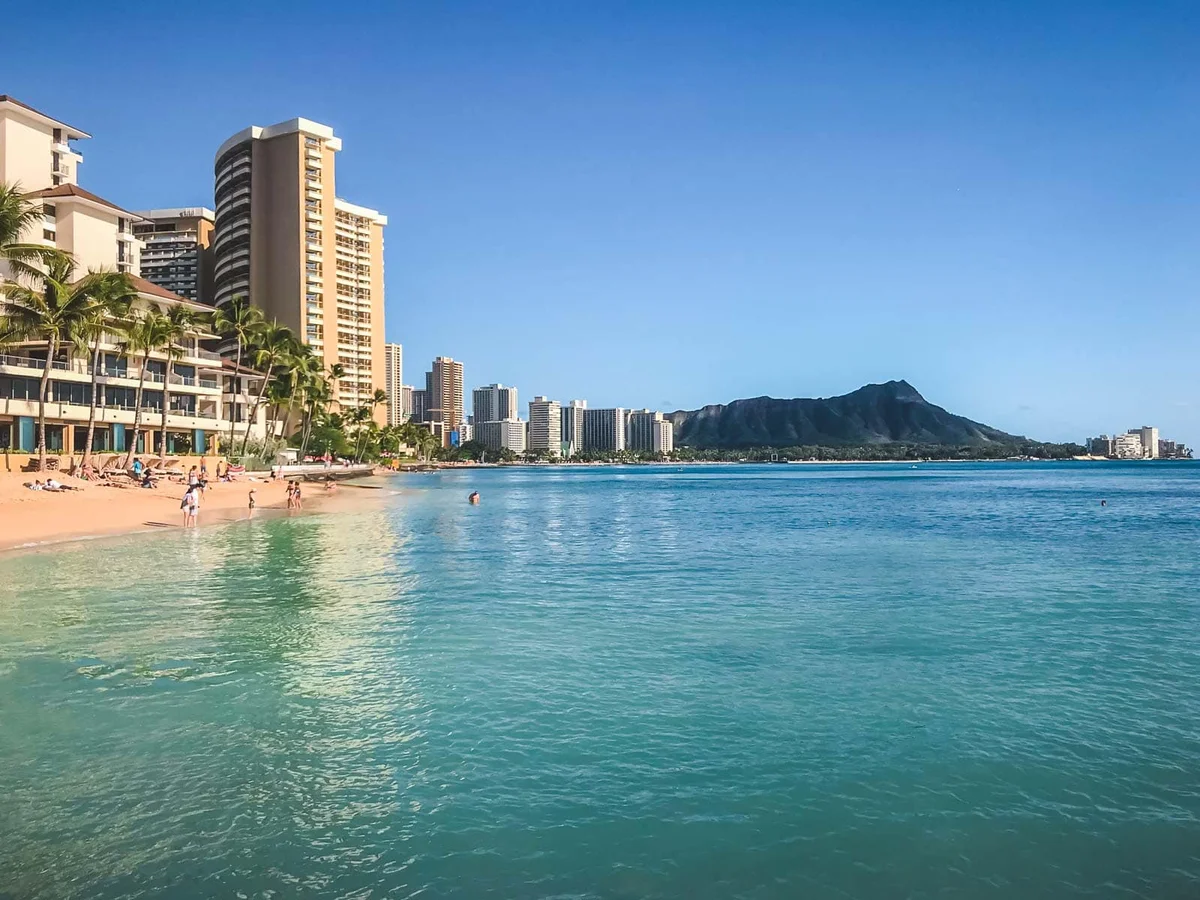
Diamond Head is the iconic one: a short hike out to the rim of a crater with the whole of Waikiki laid out below. It is good. Just book your slot ahead — reservations are mandatory now, and I think that is for the better.
Where to sleep
- Splurge: Halepuna Waikiki, a calm, modern step back from the beachfront noise.
- Budget-friendly: the Polynesian Hostel Beach Club — not fancy, but it is minutes from the sand and an easy place to meet people.
Maui: the valley isle
Maui is where I learned that a trip can feel luxurious and wild in the same week. This is the island readers of Condé Nast Traveler have called the best for over 20 years, and I get why. But do not let the word “best” make you miss the other islands — Maui just does a lot of things very well, and you might want one of them.
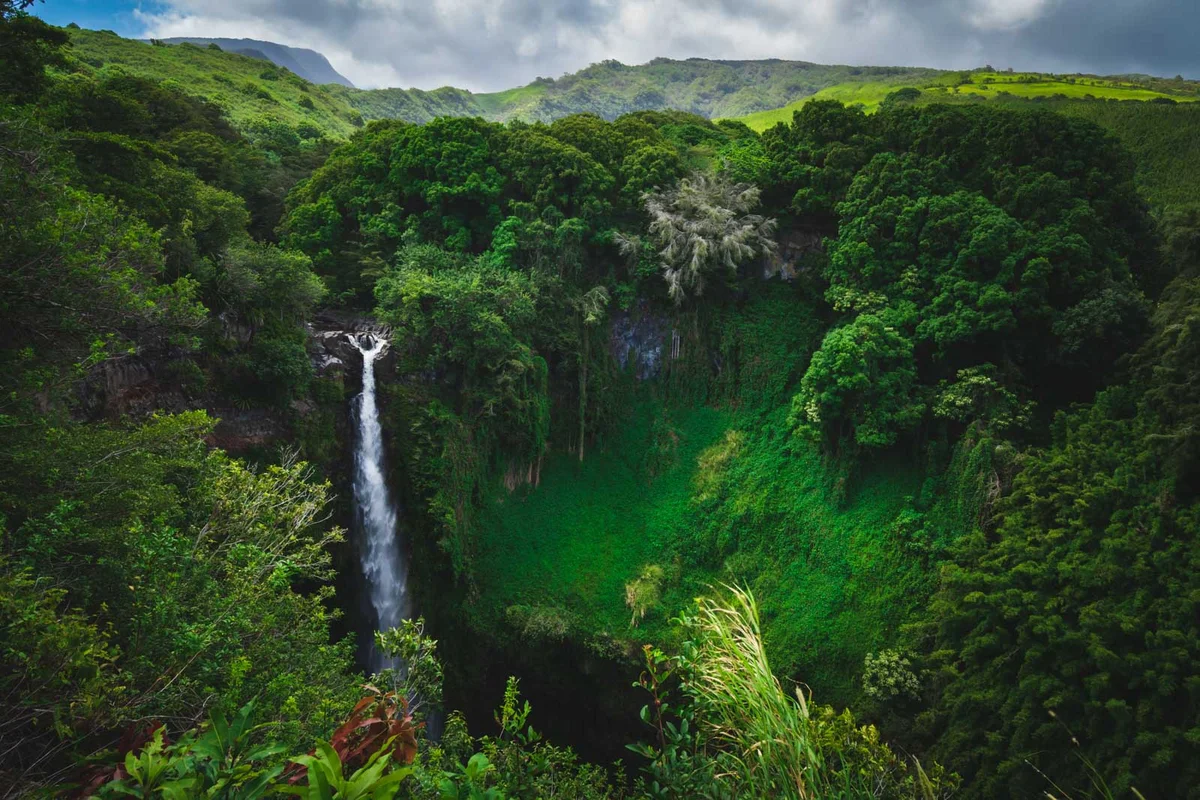
The Road to Hana is the classic, and it earns its reputation: a driving road that twists along the north coast past waterfalls and through bamboo forest, out to viewpoints that stop you in the car. And in winter, the whale watching is serious. Between January and March, humpbacks are out in force, and the moment one of them rolls out of the water at the bow of the boat, the rest of the trip rearranges itself around it.
And then there is Haleakala at sunrise. The summit is 10,023 feet — about 3,050 meters — you are above the clouds, and the early start is huge. Reservations fill up well ahead; book yours the minute you know your dates.
Where to sleep
- Splurge: Four Seasons Maui at Wailea, in the upscale part of the island.
- Laid-back: the Paia Inn in a small surf town, which makes a decent base for the Hana road.
Kauai: the garden isle
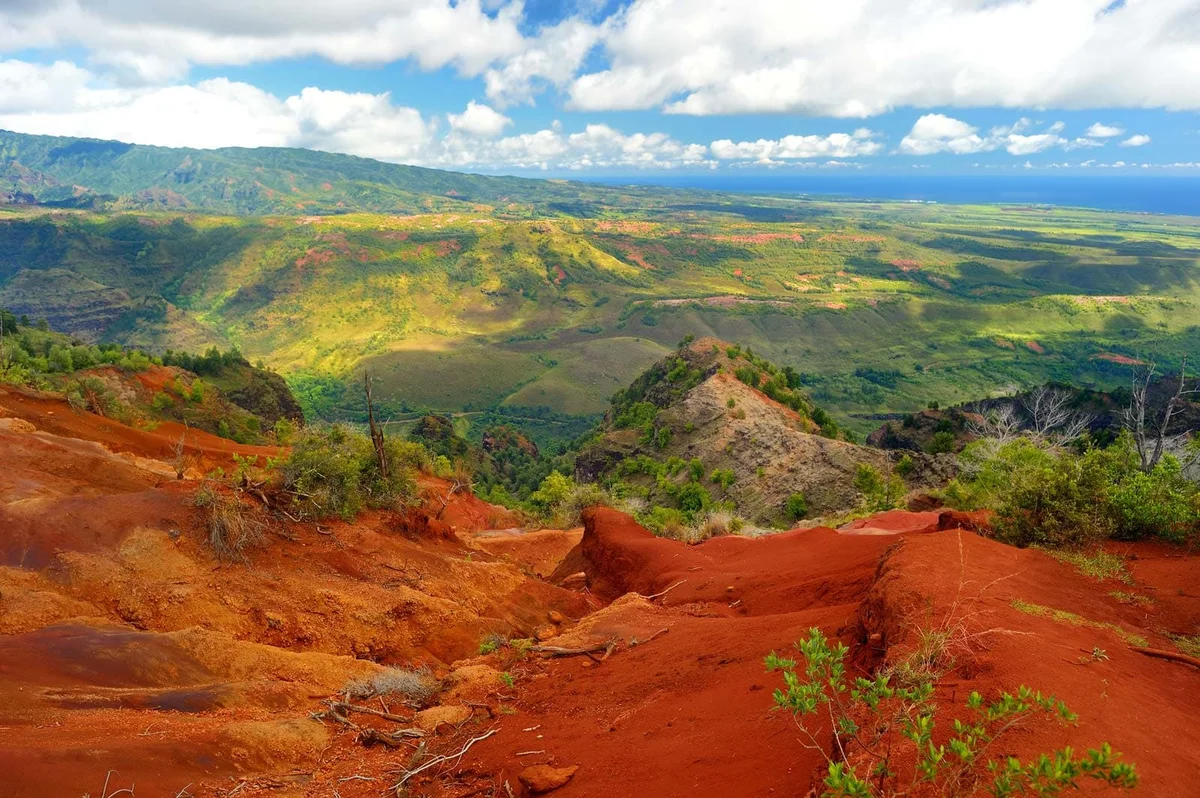
If Maui is polished, Kauai is the island that refuses to be. Less developed, less crowded, more dramatic — the kind of place where the hills are so green they look wet.
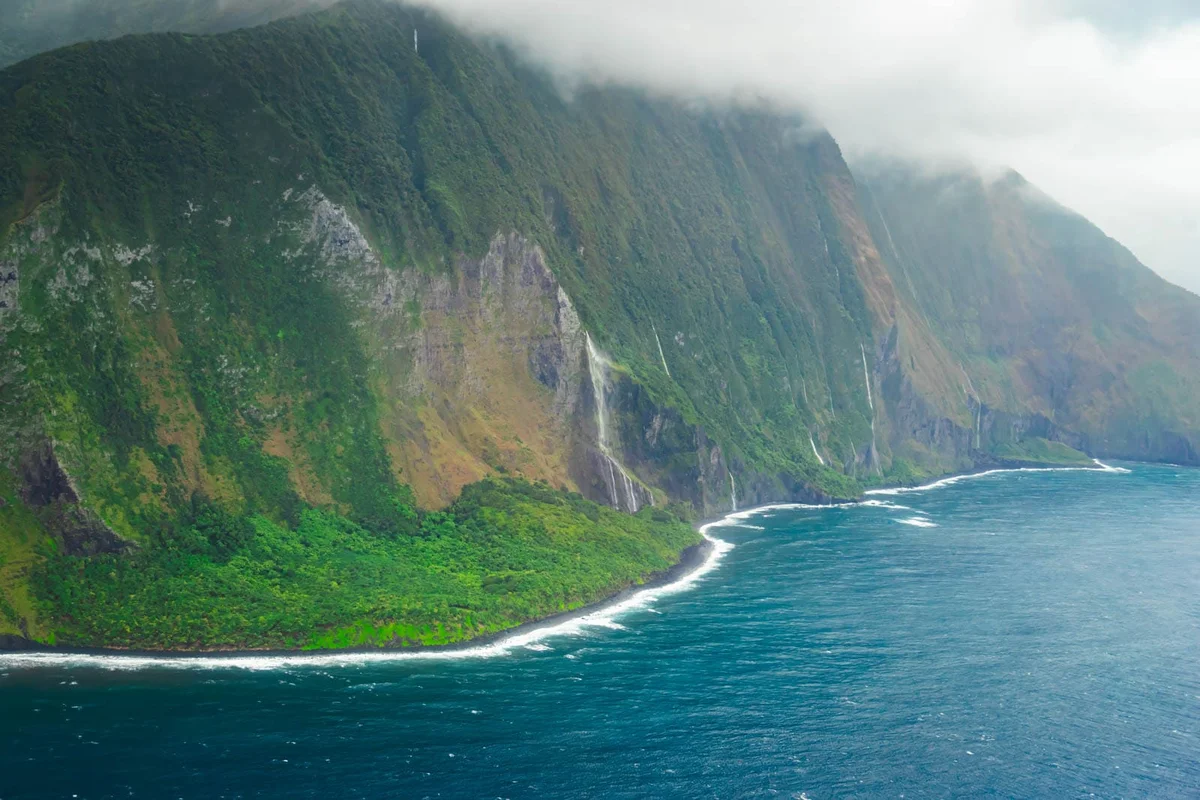
The Na Pali Coast is the headline. You can see it from a boat or from the air, but the most complete way to feel it is on the Kalalau Trail along the same cliffs. It is one of the longer, harder hikes in the country, and you will need a permit plus some experience before you decide you are ready. Waimea Canyon — the “Grand Canyon of the Pacific” — is even bigger and easier to reach from the car; a handful of viewpoints, or hikes down into the canyon itself if you want to be inside it.
A helicopter tour over the coast is a splurge, and it is the only good way to see the interior at all. I paid the full price. I would pay it again.
Where to sleep
- Koloa Landing Resort at Po’ipu on the sunny south side, good for base and pool days.
- Hanalei Bay Resort in the north, if you want the old-Hawaii side and morning light over the bay.
The Big Island: the adventure island
It is twice the size of the other islands put together, and it holds 10 of the world’s 14 climate zones. That number is not marketing; it is why you can start at a sunny beach, drive through rainforest, and end up on a lava field by lunch.
Hawaii Volcanoes National Park is the reason for being there. You can stand on the rim of the Kilauea caldera at night and watch the lava lake pulse in the dark. It is not an island you do on schedule; it is an island you let happen.
I have floated in deep water a few times, but a night snorkel with manta rays is a different order of thing. You hang onto a lighted raft and they come in — big, slow, inches below, doing gentle somersaults. Wingspans up to 15 feet. The whole thing is quiet enough that you spend a lot of time holding your breath and letting them come close.
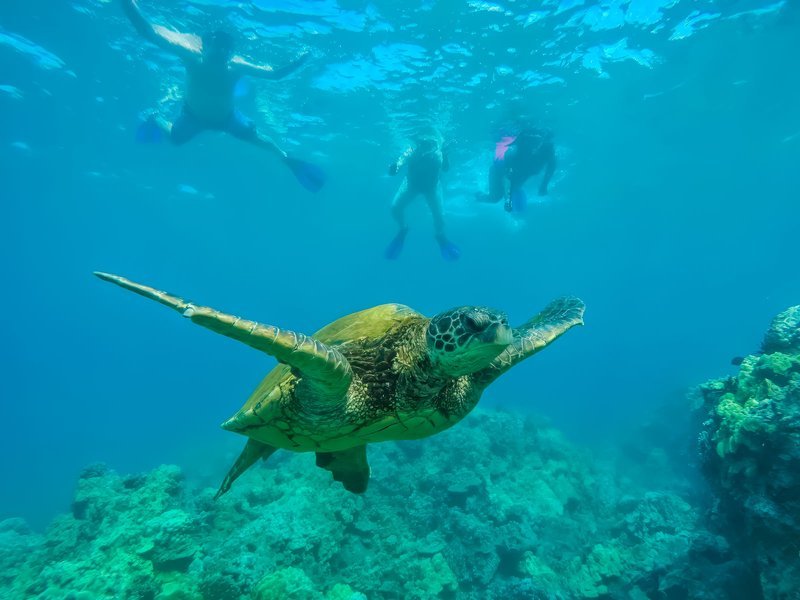
Take a day to the sand too. This is the island with the green-sand beach at Papakōlea, and it is one of the few in the world. It is where I went to see the honu — the green sea turtles — rested on warm black sand. Worth a whole few hours.
Where to sleep
- Volcano Inn on the east side if you want to be in the park at night — it is minutes from the entrance and the kind of room you do not want to leave.
- The Westin Hapuna Beach Resort on the west coast, when you want white sand again after a few days of lava.
Lanai & Molokai: the off-grid pair
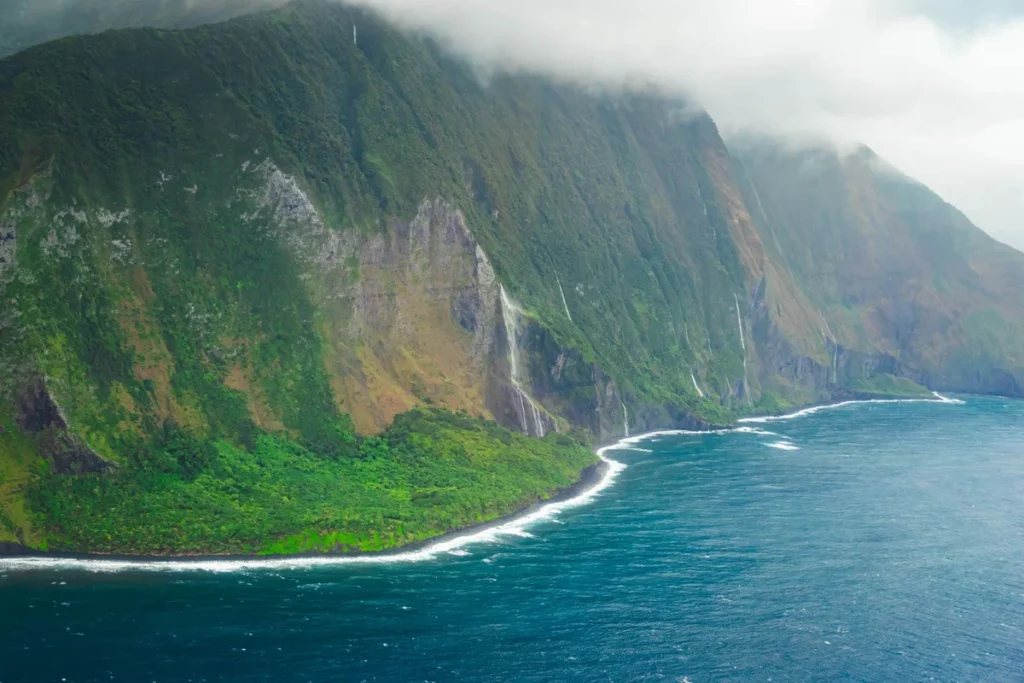
These two are for the traveler, not the tourist. Molokai gets just a fraction of the visitors the other islands do, and the story there is Kalaupapa, the old leprosy settlement on a peninsula that looks almost impossible to reach. Book a tour with a local guide; the landscape will do the rest. If you want a beach to yourself, Papohaku is three miles of white sand and, on the day I was there, empty.
Lanai is quieter than you would expect and a different kind of island. Renting a 4×4 here is closer to a necessity than a luxury: there are dirt roads out to places like Keahiakawelo, the red-rock “Garden of the Gods,” and you will be the only car in sight most of the day. Hulopoe Bay is a protected marine reserve and the best place to swim; I saw a big pod of spinner dolphins right off the shallows and I do not think I have seen a bigger one since.
Where to sleep
- Lanai: Four Seasons Lanai if you want the cliff views and the quiet; the Hotel Lanai in Lanai City for something more local and a fair bit cheaper.
- Molokai: the Hotel Molokai, small and rough around the edges, with bungalows in the old-Hawaii style. That is the point.
Practical notes
Reserve before you go. Most of the big sights now require a reservation — Diamond Head, Haleakala sunrise, the Kilauea viewpoints. Book early, especially in peak months.
The only thing between islands is flight. The one exception is the passenger ferry between Maui and Lanai. Hawaiian Airlines has short, frequent hops between the main islands and they fill — book these weeks early, not the morning of.
Car, car, car. If you are going anywhere but Oahu, rent one. Maui, Kauai, the Big Island, the small pair — they all need wheels. Oahu you can survive on public transit if you are staying in the city and the beach, but you will want a car for the North Shore and anything outside Waikiki.
Give back while you are there. Hawaii has been shifting toward a more responsible kind of visitor — some places cap numbers, some ask a small fee. Leaving a little of that money in local places instead of the big resorts is how you make the island remember you.
Quick answers
Which island is best for a first trip?
For most people, Oahu. The airport is the easiest to get to and you can fit a wide range of things into a few days. If you would rather be out in the wild from day one, the Big Island is a better fit — volcanoes, beaches, rainforest, all in one trip.
Oahu or Maui — should I pick one?
Oahu if you want city, nightlife and history. Maui if you want slower, more luxurious, more romantic. They are not the same trip; pick the one you are in the mood for.
Which is the most beautiful island, honestly?
Kauai. The green of the Na Pali Coast and the scale of Waimea Canyon together are the closest thing this list has to a jaw-dropping moment. It was not a contest the island had to win; it just did on its own.
Do I need a rental car?
On every island except Oahu, yes. On Oahu, no — if your trip is city and beach. The moment you want the North Shore, though, wheels matter.
A note from Luna: I have planned the same Hawaii trip twice because I wanted both the city and the quiet and could not decide between them. I think that is okay. Hawaii is not one destination; it is a set of doors. The right one is the one that stays open.