
I nearly skipped Tbilisi. My mental image was a grim Soviet-era capital, the kind of place you pass through on the way to the mountains. I had no idea what I was actually walking into.
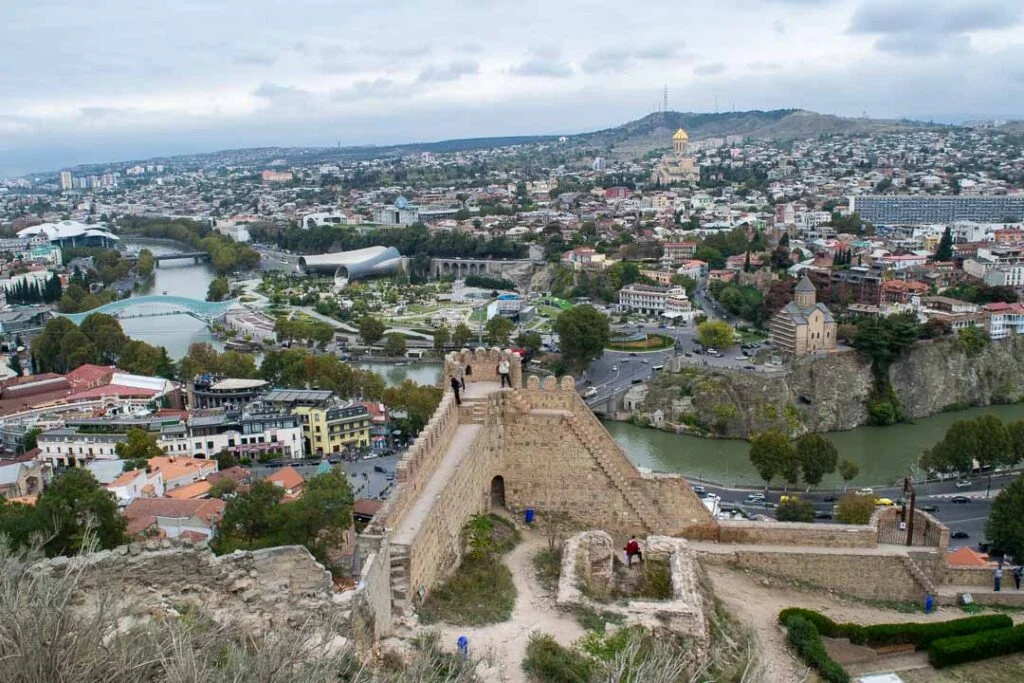
What I found instead was a city that feels like it was built for wandering — layered, a little chaotic, warm enough to stay late. Tbilisi is not the prettiest capital in Europe, and that’s exactly why it works. Here’s why I think it deserves a slow few days of your life.
Getting there, without the fuss
Tbilisi looks out of the way on a map, but getting there is easier than it appears. Flights out of Europe and the Middle East are plentiful — checking a few flight search sites before you book will show you the range. You can also reach it via Azerbaijan or Armenia, though that usually means flying there first.
Once you’re in Georgia, the train is the good option. I took the Georgian Railway between cities and it was genuinely pleasant. Inside the city itself, staying near Old Town or Rustaveli means you can walk to most things. The metro is cheap and worth using, especially for the trip to and from the train station.
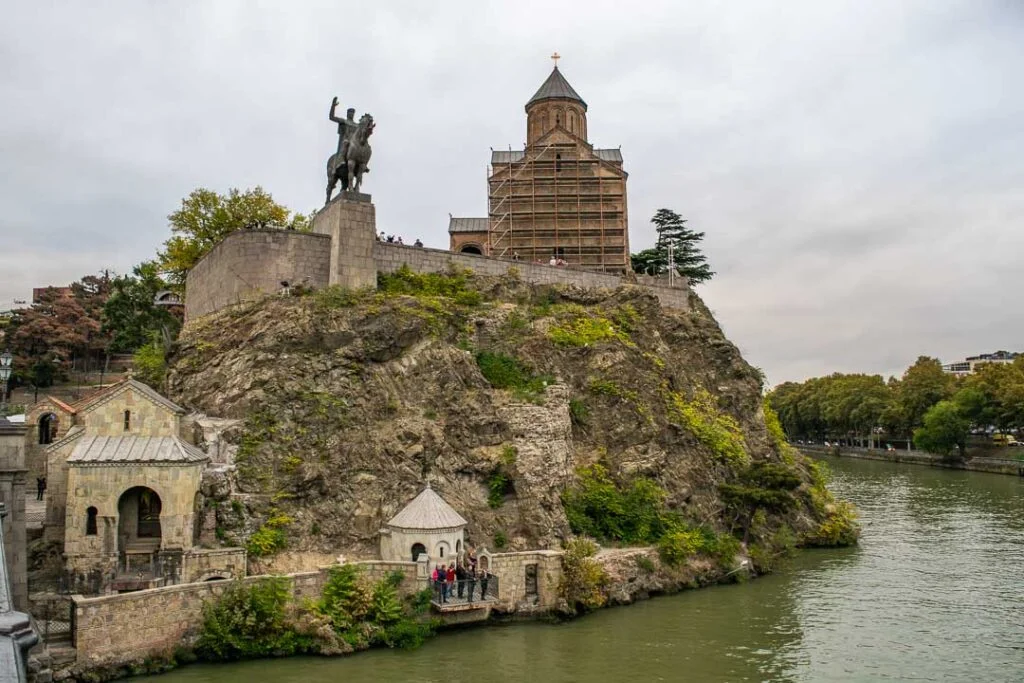
Where to stay
Choosing a base in Tbilisi is a little tricky, because the city doesn’t have one obvious center. The Old Town area alone covers more ground than you’d expect. My advice: prioritize being close to what you actually want to do.
Vera and Vake sit on the hillside and feel quiet and residential. The streets around Rustaveli are the most convenient. I stayed at two places during my trip — Terrace House, near Opera, which had a family guesthouse warmth I liked, and M42 Hostel. If you’re going upmarket, Barnovi Boutique Hotel, Tbilisee Hotel, The Blue Fox Hotel, and Stamba Hotel all get strong reviews.
Why Tbilisi is worth a few days
It’s an easy on-ramp to Georgia
When you’re landing in a new country, it helps to ease in rather than jump straight into the deep end. Tbilisi is the gentlest way to start in Georgia. Tourism infrastructure here is more developed than in other parts of the country, and you won’t feel like the only foreigner on the street. The Simon Janashia Museum of Georgia gives you a grounding in the country’s history, and the everyday conversations that follow fill in the rest.
Every neighborhood has its own mood
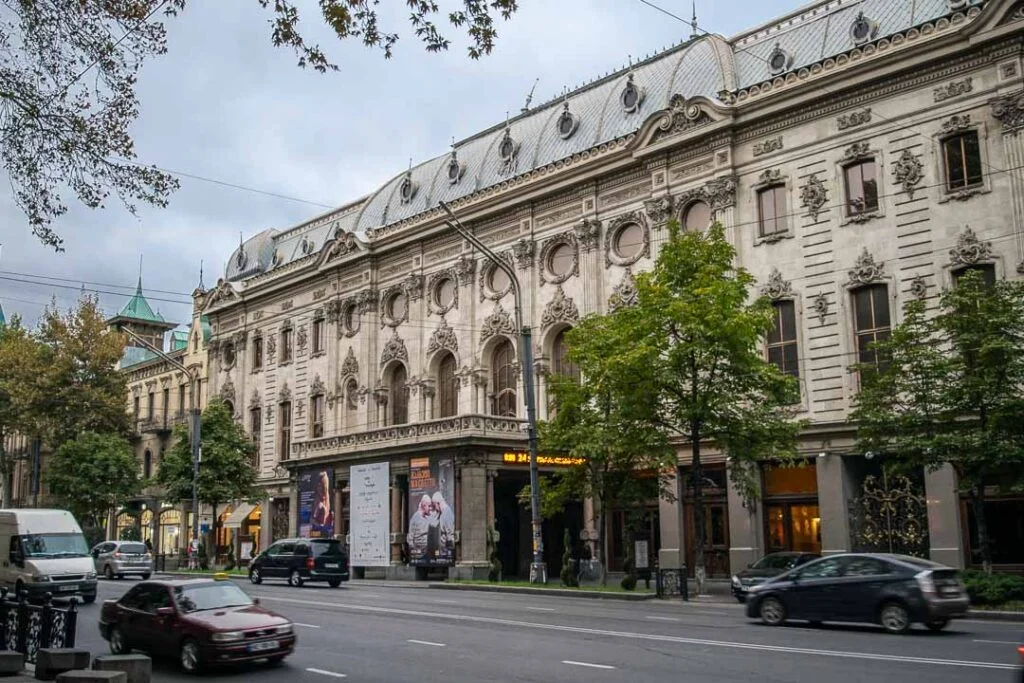
One of the things I keep coming back to about Tbilisi is how quickly the city changes character. You can move from the historic old town of Abanotubani to the more modern blocks along Rustaveli Avenue in a short walk, and the whole feel shifts. Then there are the quiet residential pockets on the hillside — Vera, Vake — where the pace slows and the streets feel like they belong to the people who live there.
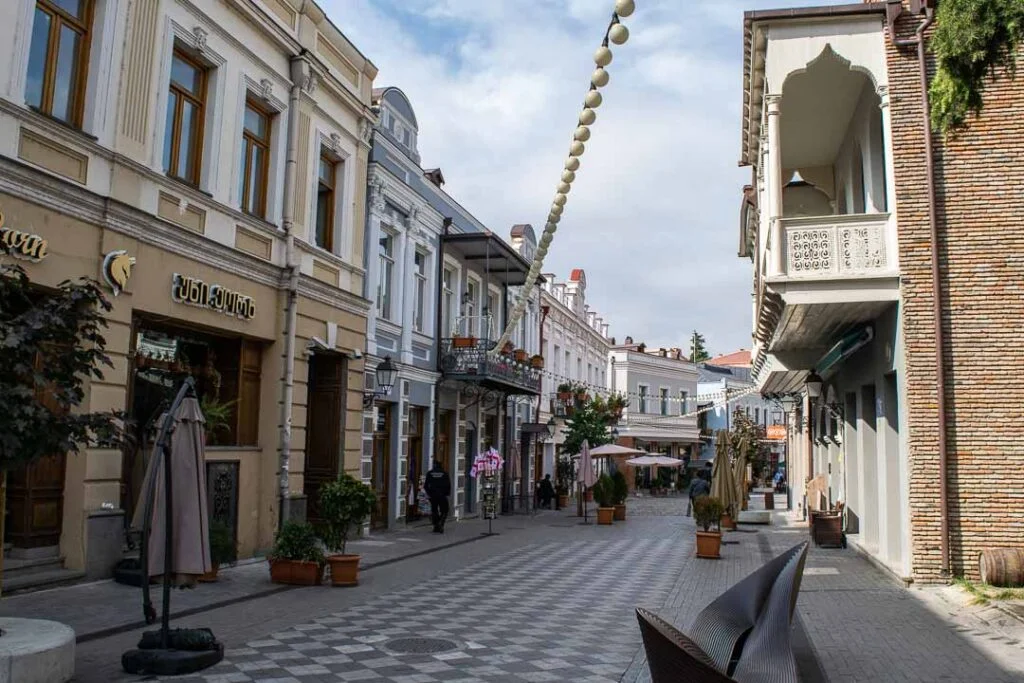
Marjanishvili and Aghmashenebeli Avenue, the long pedestrian-only stretch, is where the food and evening life cluster. It’s fun, a little fresh, and the kind of place that rewards staying late.
The skyline tells the whole story
Street level gives you a sense of Tbilisi, but the skyline gives you the full picture. The city is built up from the banks of the Mtkvari River and climbs on both sides. The most popular viewpoints are on the western bank — Narikala Fortress is the classic one. Go higher and you’ll find the Kartlis Deda lookout beneath the giant metal statue of a woman. Push further still and the Mtatsminda Amusement Park puts the whole city in front of you at once. It’s the kind of view that rearranges how you see everything you’ve already walked through.
The food is everywhere, and it’s good
Georgian food deserves as much attention as the wine, and Tbilisi is the best place to eat your way through it. Khachapuri is the obvious starting point, and it’s on every menu. For khinkali — the hand-pleated dumplings — Khinkali House on Rustaveli is the one I’d go to. What I didn’t expect was the welcome. At my first guesthouse, I was practically fed as a greeting, including fresh pelamushi, a grape dessert made from fruit picked in their own garden.
Cafes are no problem. Aghmashenebeli Avenue in Marjanishvili has plenty, and the city has a growing digital nomad scene that keeps pushing the quality up.
It’s the best base for day trips
Tbilisi isn’t centrally located in Georgia, but it’s close enough to a long list of places that it makes a good base. Mtskheta and Gori are smaller cities within reach. Sighnaghi and David Gareji take you into the wider regions. I spent about half my time in Tbilisi and the other half on day trips, coming back to the city each evening to dinner and a drink. Knowing your way around the city after a full day outside is a real comfort. If you’re short on time, that’s the approach I’d take.
The Golden Hour
Sunset on the western bank of the Mtkvari, anywhere you can find a low wall to sit. The light comes in low over the old town and the whole city seems to slow down for an hour. No reservation, no plan. Just a seat, a bottle of something local, and the sound of the city winding down.
FAQ
Is Tbilisi safe for solo travelers? The city feels safe for most travelers, including solo. It’s a small enough place that you get your bearings quickly, and the old town is walkable and well-lit in the evening.
Do I need a visa? Most Western travelers don’t need a visa for short stays in Georgia, but check the latest requirements for your passport before you book.
How many days should I spend in Tbilisi? Three to four days is a good amount for the city itself. Add a day or two for day trips if you have the time.
Moonlit Guide: Tbilisi at Night — coming to the site soon, with the evening version of everything above.
Slow Weekend: What to Do in a City You’ve Never Been To — a companion piece on staying in one neighborhood and letting the day unfold.
a note from Luna — I went to Tbilisi expecting a place I’d pass through. I stayed longer than planned and kept meaning to leave. That’s usually a good sign.