
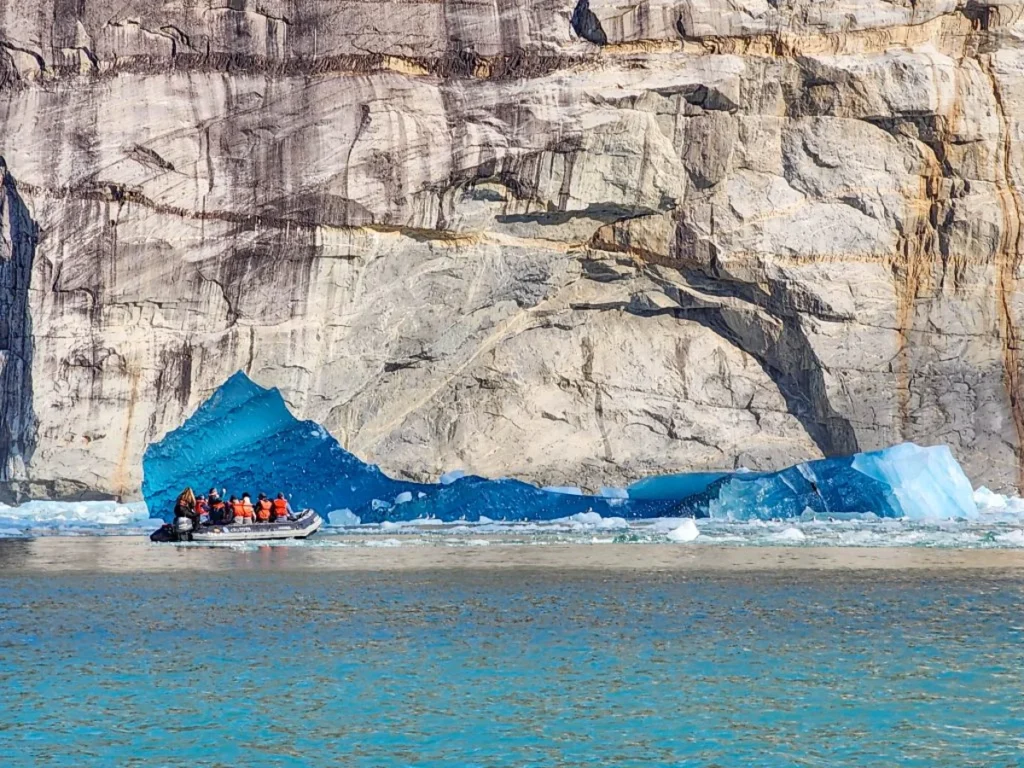
I was standing on a dock at LeConte Bay in Alaska, coffee gone cold in my hand, when I realized the highlight of the day had nothing to do with the itinerary at all. The boat had drifted into a quiet inlet between scheduled stops, and I just sat there. The light was doing something to the water. I have written about that hour more times than I can count.
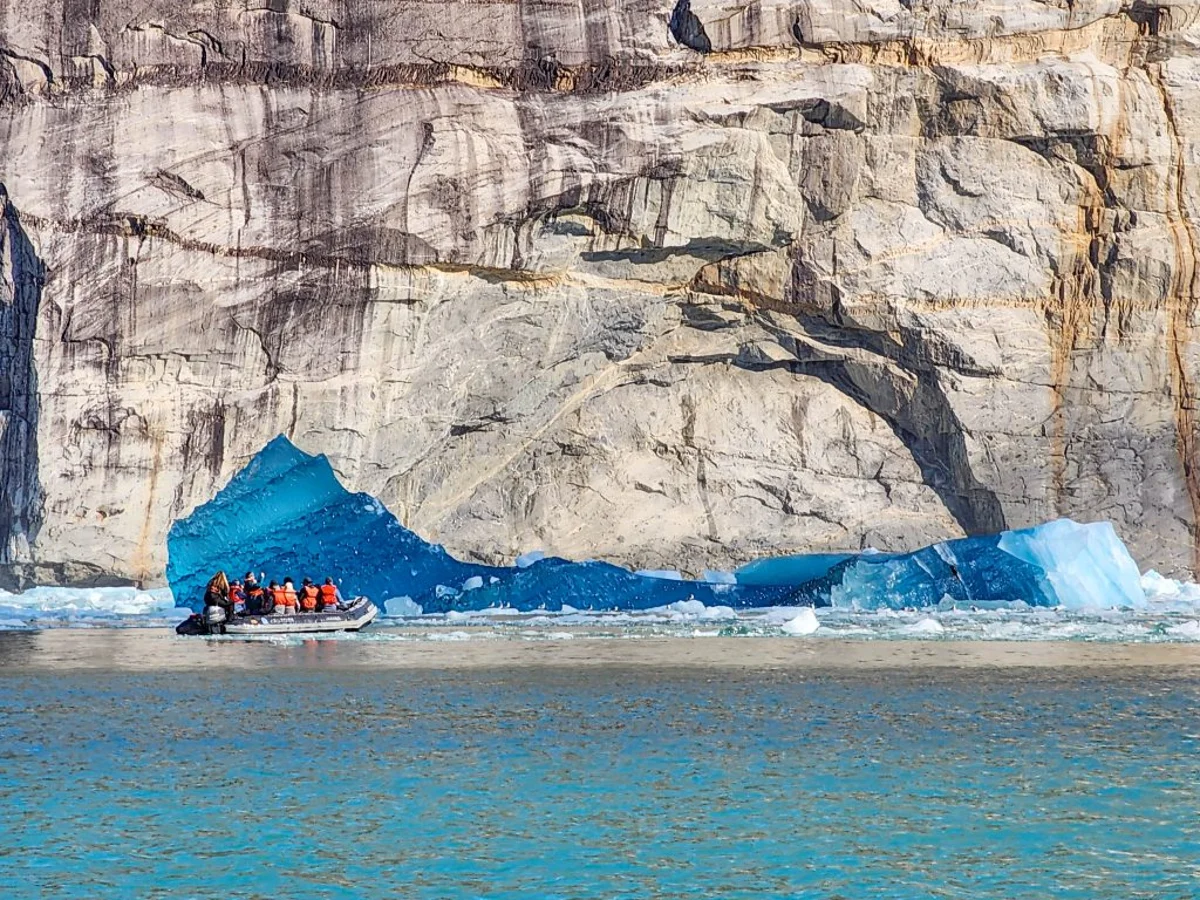
It made me think about a pattern I keep finding in my own travel stories. The moments I talk about at dinner, the ones that still hold up years later, almost never began with a carefully planned day. They began with a small yes. A yes to the detour, the early alarm, the place I knew nothing about, the activity that looked slightly beyond me.
As we get older, that word gets harder to say. We learn which hotels we like, which activities feel safe, which destinations meet our expectations. Familiarity is comforting. But the more predictable our summers become, the less likely we are to come home with a story worth telling.
Summer is still the best season to practice it. The days are long, the weather is forgiving, and something about the season seems to make yes feel easier. Wherever you go this year — the mountains of Alaska, the musical heart of the American South, the rugged edges of Ontario, or somewhere you have never even heard of — the most rewarding parts of the trip will probably arrive unannounced.
Wildlife has a way of resetting your sense of scale
Our days are made of schedules, screens, and traffic. Then a giraffe walks past you at eye level, and everything you were worried about yesterday stops mattering for a while.

I spent hours on a safari in Tanzania watching elephants move through ancient landscapes, lions resting under acacia trees, and giraffes crossing the horizon. It was never really about seeing animals. It was about watching an ecosystem do what it has done for generations, mostly without us.
Alaska has a similar effect on me. Bears foraging along remote shorelines, marine life surfacing near a small expedition boat — the sense of wonder does not fade, no matter how many times you see it. Wildlife does not run on a schedule, and there are no guarantees. That unpredictability is part of the point. Willingness to wake up early, stand through changing weather, and simply wait — that is what gets you the moments that stay vivid for years.
The places that surprise you are usually the ones worth the most
We all have a list of dream destinations, and most of them earn their reputation. But some of my strongest travel memories happened in places that never appeared on any original itinerary.

Thunder Bay, Ontario, is a good example. Before I went, I knew very little about the region. It turned out to be full of dramatic waterfalls, rugged hiking trails, suspension bridges, towering cliffs, and big views of Lake Superior, with almost no one else around. The scenery holds its own against places that get far more attention, and the quiet is part of the appeal.
I found something similar in Ridgeland, Mississippi. It is not a name most travelers connect with outdoor adventure, and yet I found excellent cycling, welcoming people, and a food scene that kept exceeding my expectations. The lesson keeps repeating itself: travel tends to reward you most when expectations are low and curiosity is high. Remarkable things keep happening far away from the places dominating the feeds.
Adventure is mostly a mental event
There is a persistent myth that adventure travel belongs to people with special skills or exceptional fitness. In my experience, some of the most memorable adventures are designed for ordinary people willing to try something new.
Over the years I have explored glaciers, paddled remote waterways, flown over landscapes I could not name, cycled unfamiliar routes, and snorkeled reefs that surprised me. I was rarely the most experienced person in the group. Most of the time I was learning right alongside everyone else.
What made those experiences work was not expertise. It was the willingness to show up. Professional guides, good equipment, and patient instruction have made adventure far more accessible than it used to be. The hard part is usually mental, not physical.
My most cherished experiences all started the same way: a moment of hesitation, then a decision to go anyway. I have never regretted trying something new. I have only regretted the opportunities I let pass.
Follow the music when it starts pulling you
Some places are best understood through their landscapes, others through their food, and a great many through their music. Music is one of my favorite reasons to travel, because it connects you to a place in a way a sightseeing list never can.
Visiting the legendary recording studios in Alabama’s Shoals region was one of those moments. It was more than a history lesson. It was a thread back to the artists and producers whose work helped shape American culture. I found the same feeling around Nashville’s Big Backyard — the area just outside the city, where music is still woven into daily life across Tennessee and Alabama, not just displayed in museums.
The most memorable version of that was a live concert at The Caverns in Tennessee, where the show happens inside an underground cave. The room becomes part of the performance in a way no normal venue can. Music travels well in memory, too. Long after the details of an itinerary have faded, people tend to remember how a song or a performance made them feel.
Leave room in the plan
Modern travel pushes us to fill every hour, and I have done the same thing. But some of my favorite memories emerged from moments that were never scheduled at all — scenic drives, quiet walks, conversations with locals, spontaneous detours.
In Alaska, some of the best views I have ever seen appeared on the road between planned activities, not at the destinations themselves. The same happened along the Lake Superior shoreline in Ontario, and wandering through small communities across the American South. Slowing down creates space for discovery. It lets you notice the details and stay open to the things that would otherwise pass by.
Summer makes this easier. The longer days take some of the pressure off. You do not need to squeeze everything into one afternoon. You can afford to let an hour do nothing at all.
A more active kind of luxury
The idea of luxury travel has quietly shifted. Beautiful rooms, great food, and thoughtful service still matter. But more and more, what people actually want is engagement with a place — a way to be part of it rather than just observe it.
Deer Valley, Utah, is a good case. Most people know it for skiing, but summer reveals a different side: scenic mountain trails, outdoor concerts, wellness experiences, alpine air. The luxury is not only in the room. It is in what the room lets you do. Service has moved beyond the property line, and the experiences are where the lasting memories come from.
It is a small shift, but a real one. More travelers are looking for trips that leave them feeling connected to the place, not just through it.
The trip starts before you leave home
When people talk about travel, they usually mean destinations. The most important part of any trip happens long before departure, and it is not a place. It is a decision. It is choosing curiosity over certainty, the unknown over the familiar, and giving yourself permission to try something new.
That one decision can lead to a wildlife encounter that leaves you speechless, a trail that tests you, a concert that moves you, a destination that beats every expectation. The outcomes vary. The starting point never does.
The Golden Hour
If you have one hour to give this summer, give it to the moment between stops. The quiet inlet. The late-afternoon walk you were not planning to take. The set that starts ten minutes after you thought it was over. That is where the best memories are made — not in the plan, but in the space you left open for them.
FAQ
Do I need to go somewhere far to say yes to travel? No. The habit works at any distance. A new trail, a restaurant you would normally skip, an early start — the size of the yes matters less than making it.
What if I am not an adventurous type? That is fine. Adventure is mostly a mental event. Good guides and patient instruction have lowered the bar a lot. The goal is not expertise; it is showing up.
How do I actually slow down on a trip? Leave gaps in the day on purpose. One unscheduled afternoon is enough to change the rhythm of a week. Protect it the way you would protect a reservation.
A note from Luna: some nights you will wait out the rain at a station with nothing but your own thoughts, and that will be the whole point. Say yes to those, too.