
The highway hums, the tank light isn’t on yet, and there I am at hour three, elbow-deep in a gas station chip bag I swore I wouldn’t buy. I’ve been there more times than I’d like to admit. The good news: eating well on a long drive doesn’t require a cooler full of kale or a talent for cold soup. It requires a plan you’ll actually follow.
Here’s the number that stuck with me: a 2025 survey from the American Academy of Sleep Medicine found that 41% of U.S. adults have felt dangerously drowsy behind the wheel. And poor nutrition is a real contributor to that stat — not just short sleep. So let’s fix the part of it we can control.
Set Up the Night Before, Not at the Rest Stop
The difference between a junk-fueled marathon and a trip where you actually enjoy the drive usually gets decided the night before you leave.
Stop thinking of it as a diet. Run it through three filters instead: fuel (what you eat), fluids (how you hydrate), and focus (sleep and movement). That’s genuinely all you need. Pick one or two things to improve — maybe it’s swapping soda for sparkling water and packing real snacks — and start there. A full lifestyle overhaul before a long drive almost always collapses by the second fill-up. I learned that the hard way once, on a very empty back seat.
Before you roll, open your map app and bookmark grocery stores, solid fast-casual spots, and rest areas with actual picnic tables. If your route narrows, review menus ahead of time — that matters even more when you’re crossing borders, where a dead phone battery turns every restaurant into a gamble. I keep a simple rule: if I can’t check the menu before I arrive, it’s not on the shortlist.
Then build the portable kitchen. A compact cooler, a few reusable containers, decent ice packs, travel cutlery, and a 12V electric lunchbox. It sounds basic because it is. But the point isn’t the gear — it’s the habit. Pew Research Center data from May 2025 found that Americans who keep even a loosely home-style eating routine on the road are more than twice as likely to describe their diet as very healthy. A small investment in containers pays off fast across a multi-day trip.
Meals You Can Realistically Eat in a Moving Vehicle
When you’re logging real miles, meals need to be practical, not just virtuous on paper.
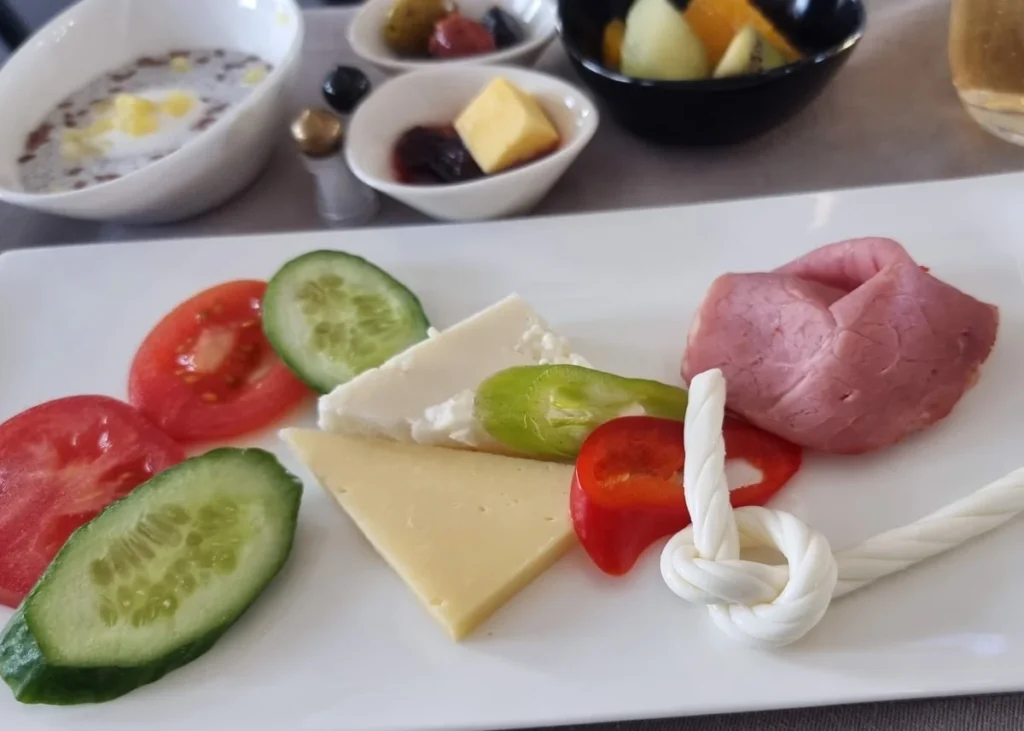
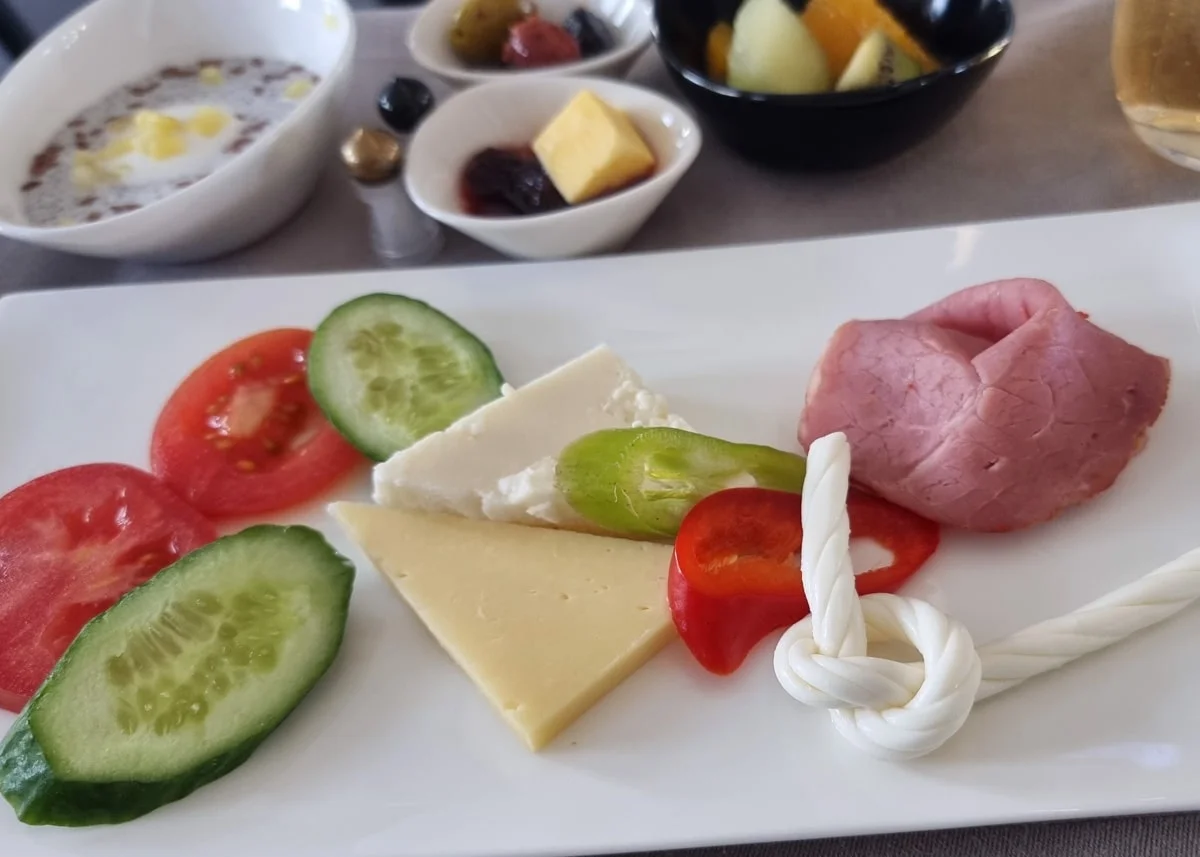
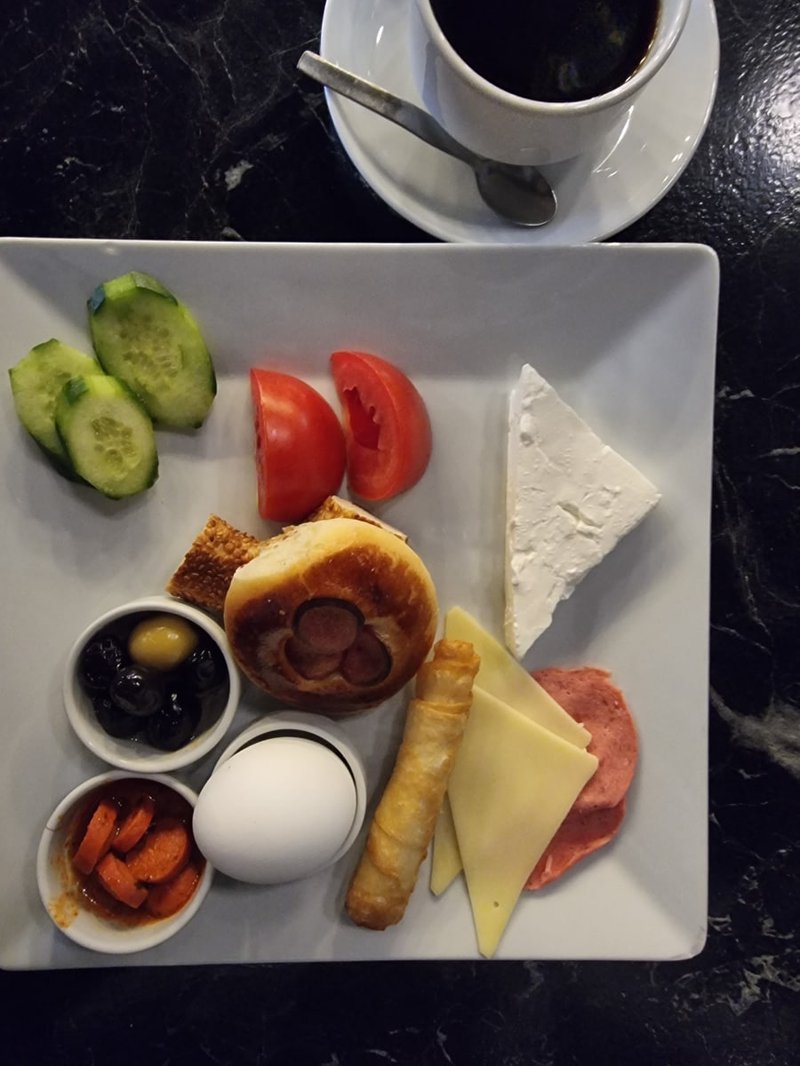
Protein boxes are underrated. Boiled eggs, cubed cheese, hummus, whole-grain crackers, and pre-cut vegetables take under ten minutes to assemble and hold up for hours. A deli-style plate — sliced turkey, pickles, pre-washed greens — is another reliable one. And a Mediterranean snack plate: cherry tomatoes, cucumbers, olives, whole-grain pita in a clamshell container. It travels beautifully and feels more like a meal than most “health food” I’ve bought in a hurry.
Mindless eating while sitting for eight-plus hours is genuinely hard to recover from, so pre-portion everything before you leave. Decide at home what you’ll eat, and the highway makes the decision for you.
Make-ahead options that actually work: mason jar salads layered with grains, beans, crunchy vegetables, and dressing sealed at the bottom stay fresh for two to three days. Grain bowls with brown rice, grilled chicken, and frozen vegetables that thaw naturally en route are a strong one. Wraps and burritos work cold, or warmed in an electric lunchbox.
One rule I don’t bend: the USDA’s two-hour rule. Food shouldn’t sit outside the cooler for more than two hours — or one hour when it’s above 90°F (32°C) outside.
Snacks That Stabilize You Instead of Spiking You
The wrong snack at mile 400 can wreck the next two hours of driving. The right one keeps you steady and actually alert.
The pattern is always the same: combine protein, fiber, and a little healthy fat at every snacking stop. Apple slices with individual nut butter packets. Carrot sticks with hummus cups. Greek yogurt layered with berries and a small handful of granola in a spill-proof container. These interrupt the sugar spike-and-crash cycle that makes long highway stretches feel punishing.
For every craving type, there’s a reliable answer:
- Something crunchy: roasted chickpeas, pre-portioned mixed nuts, whole-grain crackers.
- Something sweet: fresh fruit, dark chocolate squares, date-and-nut bars — they travel without refrigeration.
- Something savory: low-sodium jerky, string cheese, mini tuna pouches.
Pre-portion before departure, use lidded cups, and keep a small crumb bag in the center console. Future you, three days into the trip, will be grateful.
Even gas stations are getting better. A recent finding in the source data for this post: 72% of shoppers now consider convenience stores a viable alternative to quick-service restaurants, up from 56% the year before. Go straight to the cooler section — hard-boiled eggs, yogurt, and string cheese are almost universally there now. Sparkling water over sugary drinks. Trail mix without candy pieces. Skip anything with a crispy coating, heavy syrup, or an unnaturally vivid color; that’s the crash that makes you want to pull over at 3 p.m.
Wellness Beyond the Plate
Food is the foundation, but a few other things compound quickly over long days.
Hydration: aim for roughly half your body weight in ounces of water each day (about 20 ml per pound — so if you weigh 150 lb, that’s roughly 3 liters). Time your drinking around rest stops, and you’ll thank yourself on stretches without exits. On hot travel days, electrolyte packets make a real difference.
Movement: five minutes at each rest stop does more than it sounds like. Neck rolls, hip circles, calf raises, a short walk around the parking lot. It improves circulation, eases the back stiffness that builds quietly over hours of sitting, and sharpens your alertness for the next segment.
Rest and driving sharp: I cap driving shifts at roughly two hours before a break. Pair coffee with a protein snack instead of something sugary — that’s what prevents the hard crash after a caffeine-and-sugar spike. A neck pillow and a white-noise app can turn a twenty-minute rest stop nap into genuine recovery. Don’t underestimate either of them.
A Note on Budget
If money is tight, grocery stops consistently beat restaurants on both cost and nutrition. Oats, peanut butter, canned tuna, bananas, and bulk nuts cost a fraction of drive-thru meals, and they travel much better. I’m not a planner of menus — I’m a person who packs a cooler the night before and lets it do the talking.
Frequently Asked Questions
What are the easiest road trip snacks to keep within arm’s reach while driving?
Pre-portioned nuts, string cheese, apple slices with nut butter packets, and whole-grain crackers. All one-handed, minimal mess, and they don’t need a co-pilot to manage.
How do you eat healthy on long drives on a tight budget?
Grocery stops beat restaurants on cost and nutrition. Oats, peanut butter, canned tuna, bananas, and bulk nuts cost a fraction of drive-thru meals and travel significantly better.
What’s the most effective way to stay alert without overdoing caffeine?
Pair caffeine with protein, keep lunch portions moderate, hydrate consistently, and take a twenty-minute rest stop nap when fatigue sets in. Timing matters more than total caffeine.
A note from Luna: I don’t eat perfectly on the road. I eat with a plan, and I let myself have the occasional indulgence — it’s part of the trip, not a failure of it. Arrive feeling like a human being, not wreckage. That’s the only goal that matters.