
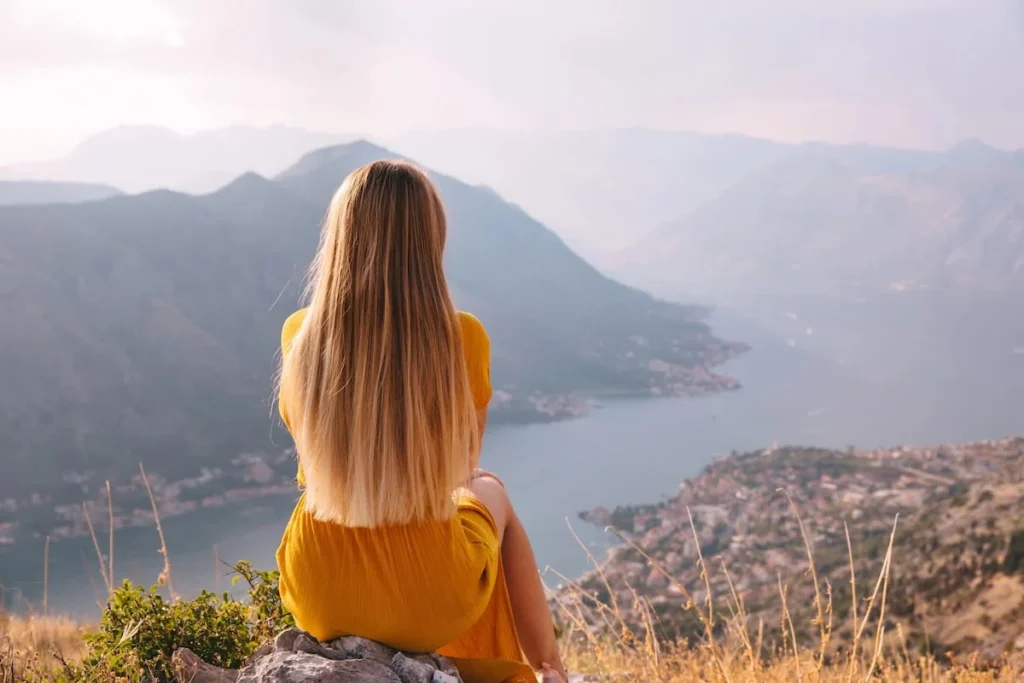
The flight into Podgorica came in under low clouds, and I stepped off with just myself and a backpack. No plan. No itinerary. No idea what the rest of the week would look like. I’ve written about arriving somewhere with nothing figured out before — it’s usually the start of the best stories.
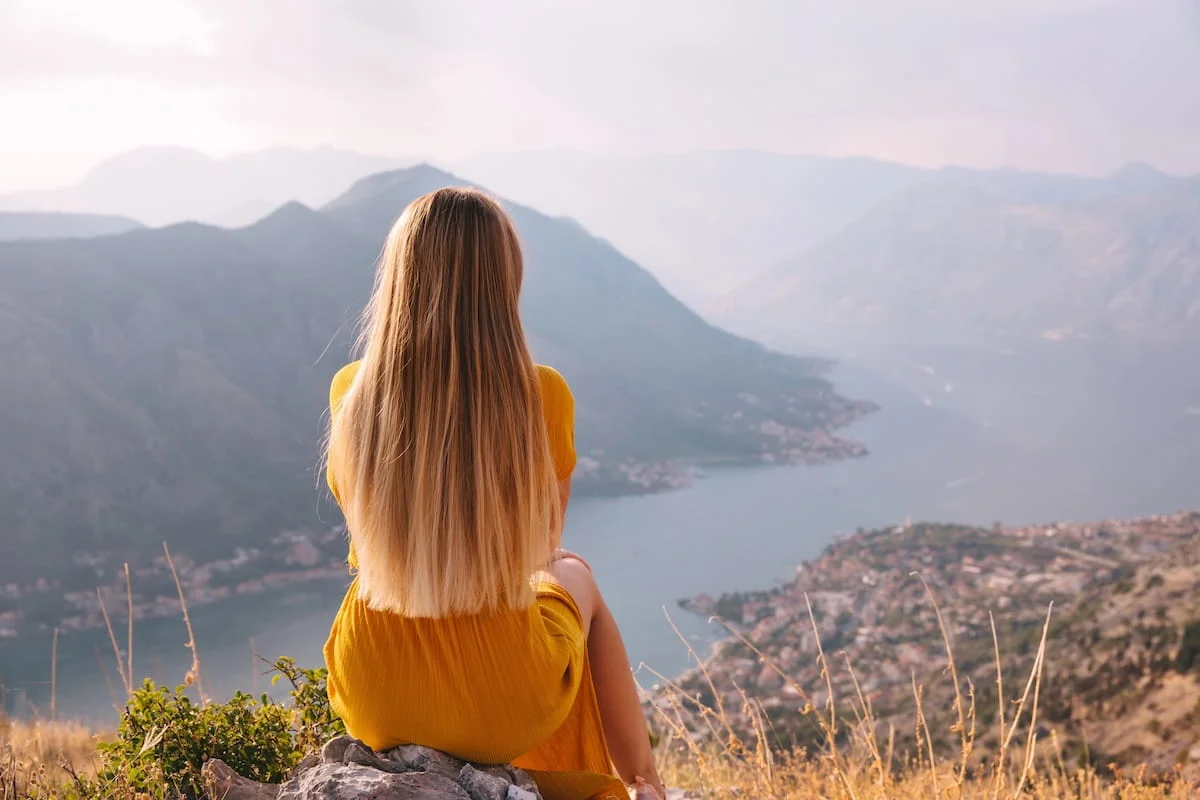
It turns out Montenegro is a country that forgives you for that. I ended up staying about two weeks, moving slowly along the Adriatic coast and up into the mountains, and it became the trip where I stopped trying to do everything and started just paying attention.
Who this is for
Short version: Montenegro is safe, quiet enough to think, and beautiful in a way that doesn’t ask you to hurry. It’s a good fit if you’re comfortable driving on narrow mountain roads or happy to take taxis and whatever bus happens to come. It’s less of a fit for your very first solo trip if the thought of a hairpin turn makes your hands shake — the public transport is thin, and there’s no Uber anywhere.
Best time to go: September and October, or early June before the crowds land. Warm enough for the water, quiet enough for a real morning.
Getting there
There are two international airports: Podgorica (TGD), in the capital, and Tivat (TIV), closer to the coast. Flights are cheap — I found Rome to Podgorica, about an hour and a half, for as little as $30 on budget carriers like Wizz Air or Ryanair.
If you’re already in the region, you don’t need a plane at all. A bus from Dubrovnik, Croatia, to Kotor takes a little less than three hours and costs about $40 one way. Ferries also cross over in roughly the same time, usually from Dubrovnik to Budva or Kotor — but they run on a season, starting around the beginning of June and ending in September. I check cross-border buses and ferries on Omio, which lets you book in English.
Getting around, the honest way
No Uber, no Lyft, no Bolt. The apps simply aren’t here. Instead you call one of the local cab companies. In Kotor I used ĐIR TAXI and asked for a bilingual driver — your hotel can usually arrange it for you.
I went the whole way from Podgorica to Kotor by cab, a two-hour ride. My driver turned out to be one of the kindest people I met on the trip. He filled me in on everything, checked on me the whole way, and I started calling him my traveling companion with a lot of love. Some of my best tips in this guide come straight from him.
If you want to keep costs down, the local Blue Line bus connects Kotor with the towns around the bay for just a few euros a ride. Stops are informal — a word painted yellow on the road — and there’s no real schedule. I once waited ninety minutes or more. It works, it’s cheap, but I kept choosing taxis and never regretted it.
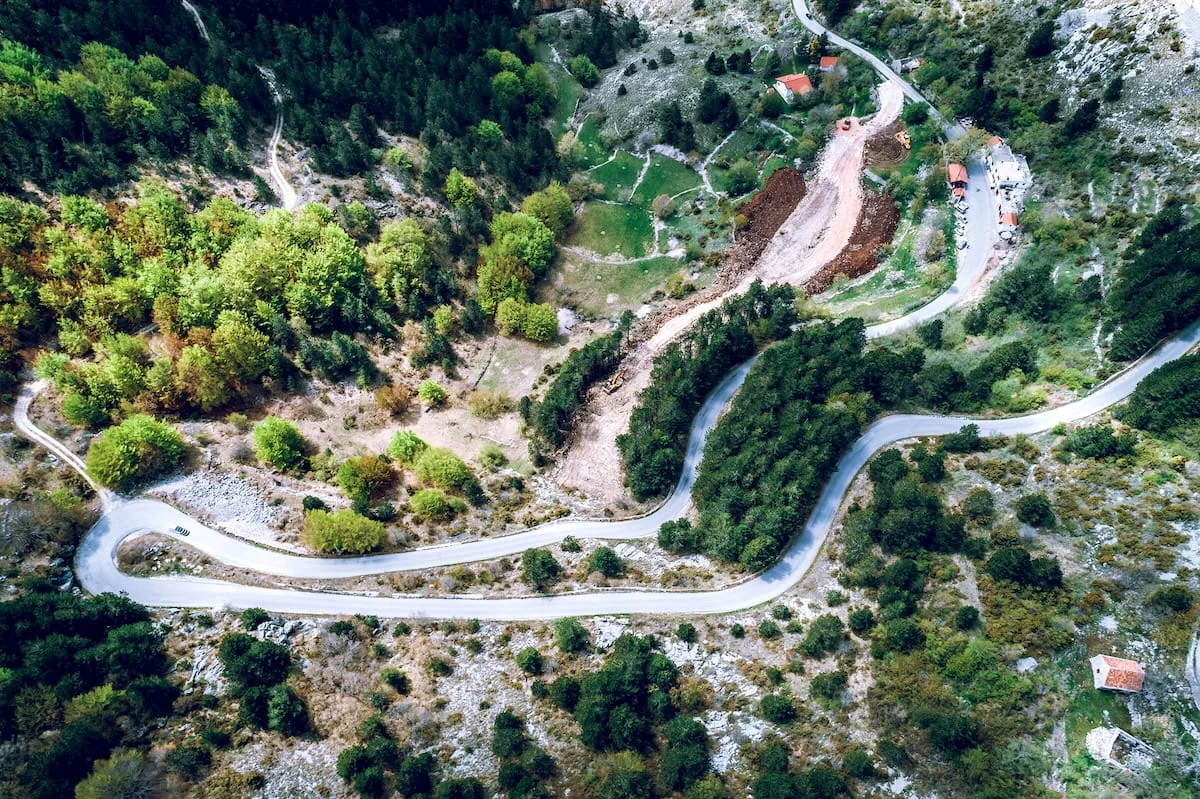
Renting a car opens up the most, and you can compare prices on DiscoverCars. Just know the roads: the serpentine climbs are gorgeous and occasionally unforgiving, full of hairpin turns. If you’re a cautious driver, test yourself on an easy stretch before the big ones.
Safe for solo women?
Yes. Travel Safe-Abroad rates Montenegro’s overall safety risk as low, which matches what I experienced — Podgorica to Kotor, days on a boat around the bay, and back up to the capital, all without a second thought. A few rules I kept anyway:
- Keep your bag in sight, even for two minutes, especially in the crowded town centers.
- Budva is a party town — wonderful at sunset, a little louder at 2 a.m. Take drinks from people you actually trust, and trust your gut the rest of the time.
- Plan your transport before you arrive. Knowing which cab company to call and which way to walk at night takes a lot of the worry out of an unfamiliar city.
One more thing: travel insurance. I use SafetyWing — the Essential plan covers the basics like medical care and trip delays, and the Complete plan goes further for longer trips. Worth the small price of admission for a first visit somewhere new.
The Bay of Kotor: where to stay
The Bay of Kotor — also known as Boka Bay — is a deep inlet of the Adriatic, ringed by high mountains. People call it the fjord of the Balkans, and once you’re on the water you understand why. Most travelers base themselves in Kotor and do day trips to the rest of the bay, and that’s what I’d suggest.
Kotor
Kotor is the busiest of the bay towns, and the one where cruise ships dock. Crowded in July, quietly beautiful in June and September. The heart is the UNESCO-listed old town: a pedestrian maze of narrow cobblestone streets, old churches, and plazas full of outdoor cafés. Go in the evening, when the day-trippers are gone, and let it slow you down.
For the views, there are two hikes with trailheads within a five-minute walk of the old town gates:
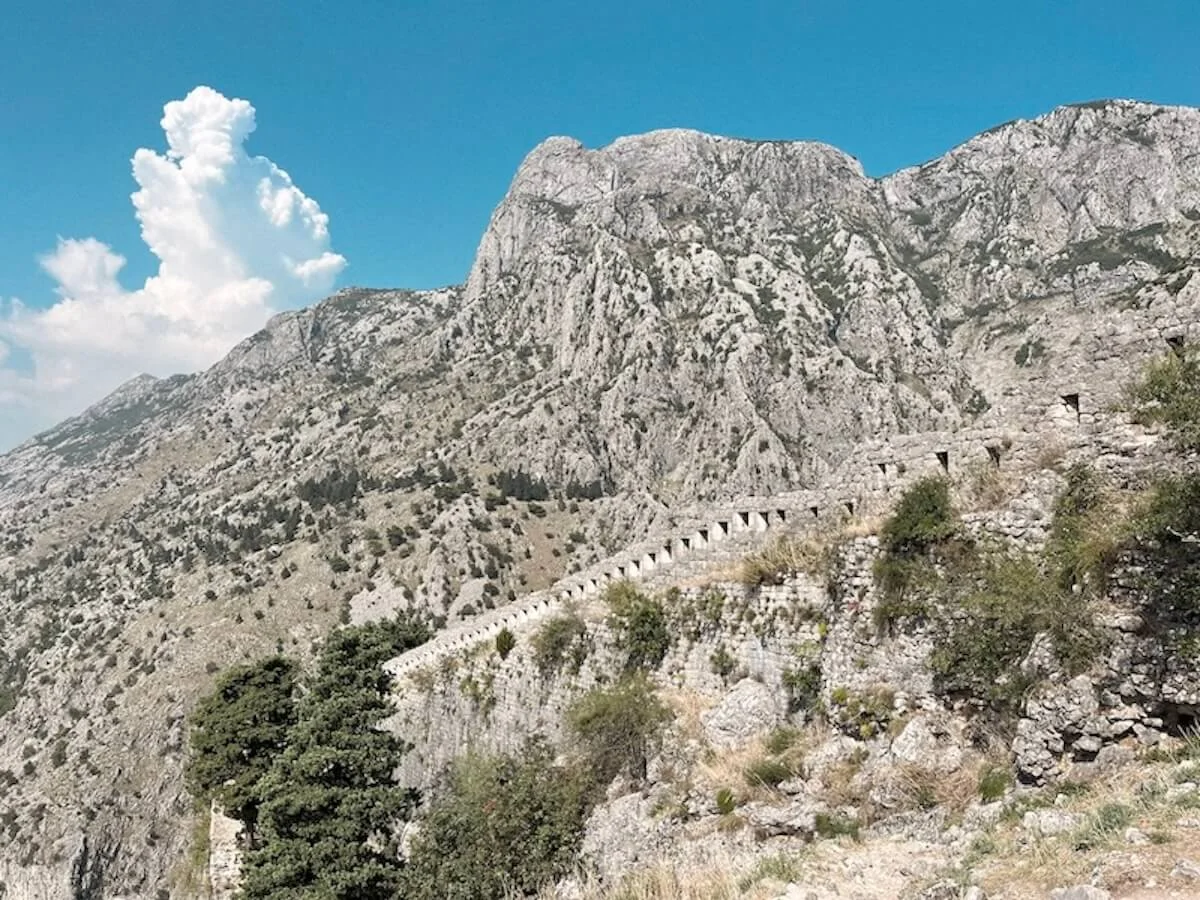
- The Kotor fortress walls — the classic climb, about 1,350 stone steps up to St. John’s Fortress. It costs around 15€, and the view of red roofs against the blue bay is worth every one of them. Along the way: a 15th-century church and a stretch of stone ruins that makes a lovely photo stop.
- The Ladder of Kotor — a free, more rugged mule track with over 70 switchbacks outside the walls. There’s a rustic stone cheese shop on the way, specializing in homemade goat cheese. I’m still not over it. Fun shortcut: the two trails connect through a small window in the fortress wall.
If you want the view without the climb, the Kotor cable car runs up the southern ridge. It’s a ten-minute taxi ride from the old town to the lower station in Dub.
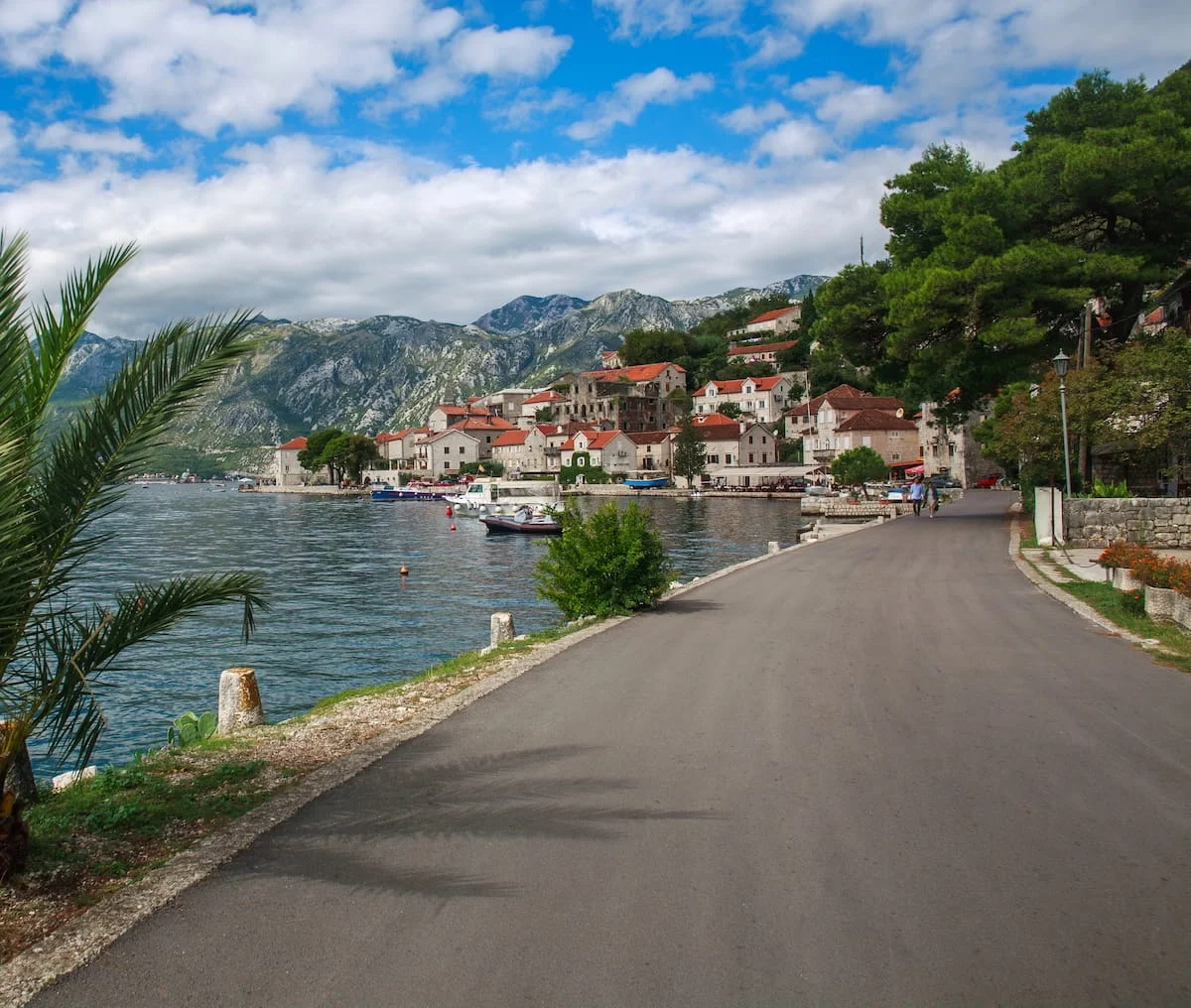
Perast
Twenty minutes up the coast from Kotor, Perast is a quiet stone village that feels like a living museum. Most people see it on a two-hour boat trip that also stops at Our Lady of the Rocks — a small man-made island with a 17th-century church and some of the best views on the bay.
You can also go by car or taxi, which I prefer. Spend a while at Bujović Palace, home to the city museum, and for a small entry fee you can walk out onto a stone balcony that frames the two island churches perfectly. No boat, no crowds, just you and the water.
Budva
Budva has a party reputation, and sure, the nightlife is loud. But sit on the ancient stone walls at sunset instead and you’ll see the town it actually is. It’s about 40 minutes from Kotor, and the old town — the 9th-century Church of Santa Maria in Punta, the medieval fortress — rewards a slower look than its name suggests.
For downtime: locals spread blankets on the public dock at sunset, and there’s a public pool at the Hotel Slovenska Plaža where you can sit and watch the bay go quiet. There are proper hikes too — the trek to Mogren Fortress, and the Seven Bay Trail, a coastal walk from Stari Grad to Sveti Stefan through coves and pine forest.
Tivat
Fifteen minutes from Kotor through the Vrmac tunnel, Tivat is the smallest municipality in the bay and the one most people skip. It has a superyacht marina, Porto Montenegro, that’s fun to wander for an hour, and the small Tivat airport, which is a fine alternative landing if you’re coming in from Croatia or Albania.
What I actually loved: the monastery on Miholjska Prevlaka island, reachable by a single-lane road through a tidy little garden. You can sit on the grass there for hours with the bay in front of you. And the PI Museum — small, about an hour, contemporary work by Montenegrin artists. I went on a hot day to escape the sun and it became one of my favorite stops.
One heads-up on beaches: the bay has almost no sand. If you’re picturing a Costa del Sol kind of beach, bring pebble-friendly sandals. The water’s the same, just smoother underfoot.
Herceg Novi
At the western edge of the bay, Herceg Novi is a 55-minute boat ride or a 45-minute drive from Kotor. It’s one of the most beautiful towns on the water, with old stone buildings built right up to the edge of small peninsulas. The fortress walls at Forte Mare face straight out to the Adriatic — my kind of place to sit with a coffee.
Arrive by boat and go see the former submarine tunnel, a hiding spot for Yugoslav warships. The old town museum does a good job with the town’s history, and there’s a small free gallery for local art you can knock out in under an hour.
Podgorica
The capital is inland, about 90 minutes to two hours from the bay, and most people just use it as an airport stop. I’d push back gently. It’s very safe to walk alone at any time of day, and it has a food scene I didn’t expect — Bokeška Street and Njegoševa Street are lined with cafés and bistros, and after dark the bars along the Morača River under the illuminated Millennium Bridge are genuinely lovely. I had a couple of quiet nights there and would happily come back for more.
Tips from the road
- Ask the waiter. They’re friendly, they’re local, and they’ll point you at the dish you wouldn’t have ordered.
- Plan transport before you land. It’s the one thing that’s genuinely harder here. A simple map of which towns connect by bus or taxi saves a lot of standing around.
- Bring euros. Cards work in the tourist towns, but small vendors and street stalls often want cash.
- Book experiences on arrival. If your schedule has wiggle room, wait. I found local operators in Kotor priced well below anything I’d seen online.
- Download Croatian or Serbian, not Montenegrin. Google Translate doesn’t have Montenegrin in the app, but the neighbors are close enough to get you through most situations.
The golden hour
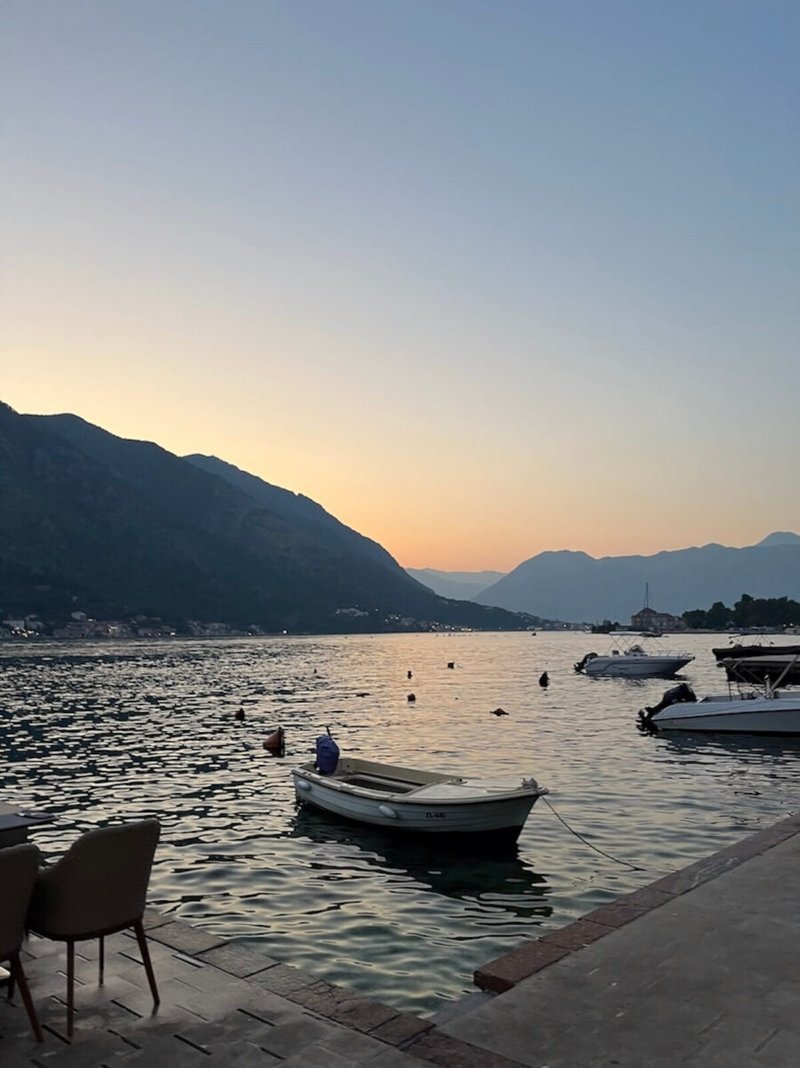
The last light on the Bay of Kotor, from the walls in Herceg Novi or the old town in Kotor, when the boats stop moving and the cafés empty out slowly. It’s the hour to be nowhere in particular.
FAQ
How many days do you need in Montenegro?
At least 4–5 days to see the coastline properly and dip a toe into the interior. I stayed two weeks and was still thinking about it when I got home.
Is there good hiking?
Plenty. Five national parks, mountain trails, and coastal walks. If you have 10+ days, the Peaks of the Balkans trek runs through Montenegro, Albania, and Kosovo, with guesthouse stays that make it a real cultural immersion.
Can you drink the tap water?
Generally yes. I drank from the tap and public fountains the whole trip without an issue.
What’s the currency, and do cards work?
Montenegro uses the euro. Cards are accepted in the main tourist towns — Kotor, Budva, Podgorica — but keep some cash for small shops and street food.
Is English spoken?
Widely enough, especially along the coast where the tourism is. Inland you’ll do fine with a translation app and a smile.
Montenegro is one of those places that’s easier to leave slowly than to plan quickly. Come with room in the schedule, a soft spot for old stone towns, and a willingness to let a cab driver talk. You’ll find the same thing I did — a country that rewards the unhurried traveler, and a table you’ll keep coming back to in your head.
A note from Luna: some nights on the water I just sat with the engine off and watched the mountains go dark. That was the whole point.