
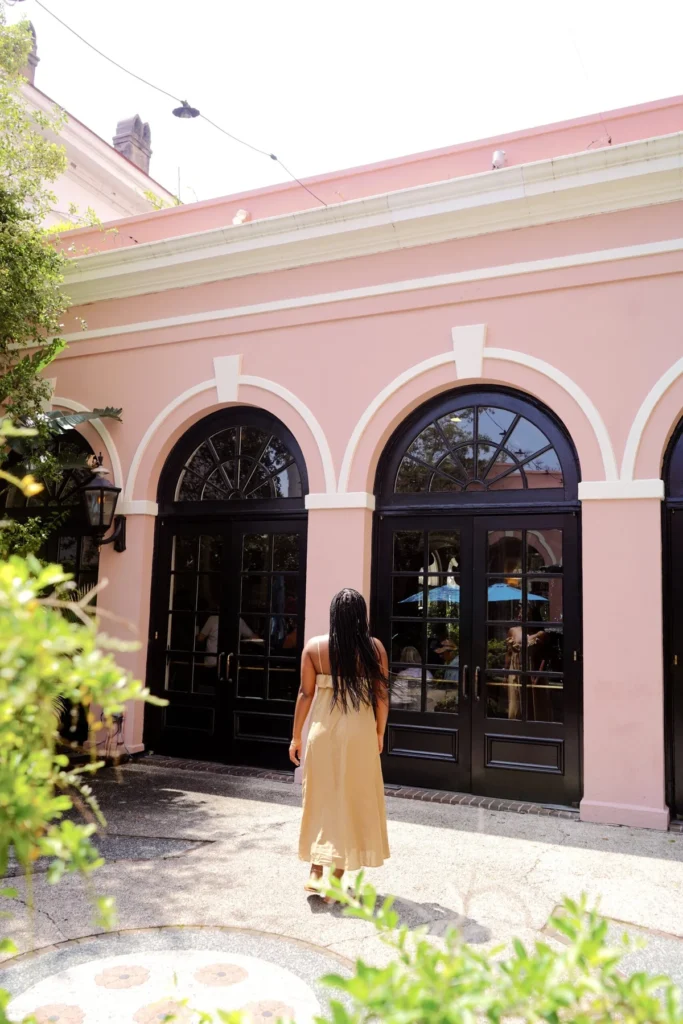
I had been hearing about Charleston for years. Rich history, architecture that feels like a time machine, food so good it needs its own vocabulary. I finally went in early 2022 — four days, three nights — and the city turned out to be exactly the kind of place you need when you’ve been cooped up behind a desk too long.
Here’s what I found on that trip, and how I’d plan a weekend there if I were going again tomorrow.
A Few Things About Charleston
- The first public college, theatre, museum, and golf club in the US were all established here.
- The pineapple symbols on doorways and walls are a local sign of hospitality. It’s not decoration — it means you’re welcome.
- South Carolina produces more peaches than Georgia. I know, I had to look that up too.
- The Angel Oak Tree on Kiawah Island is over 500 years old and 65 feet tall, with limbs that actually touch the ground.
- Sweetgrass baskets are the state’s official handicraft. You can find them at the Charleston City Market, where weavers demonstrate the craft right at their stalls.
Where to Stay
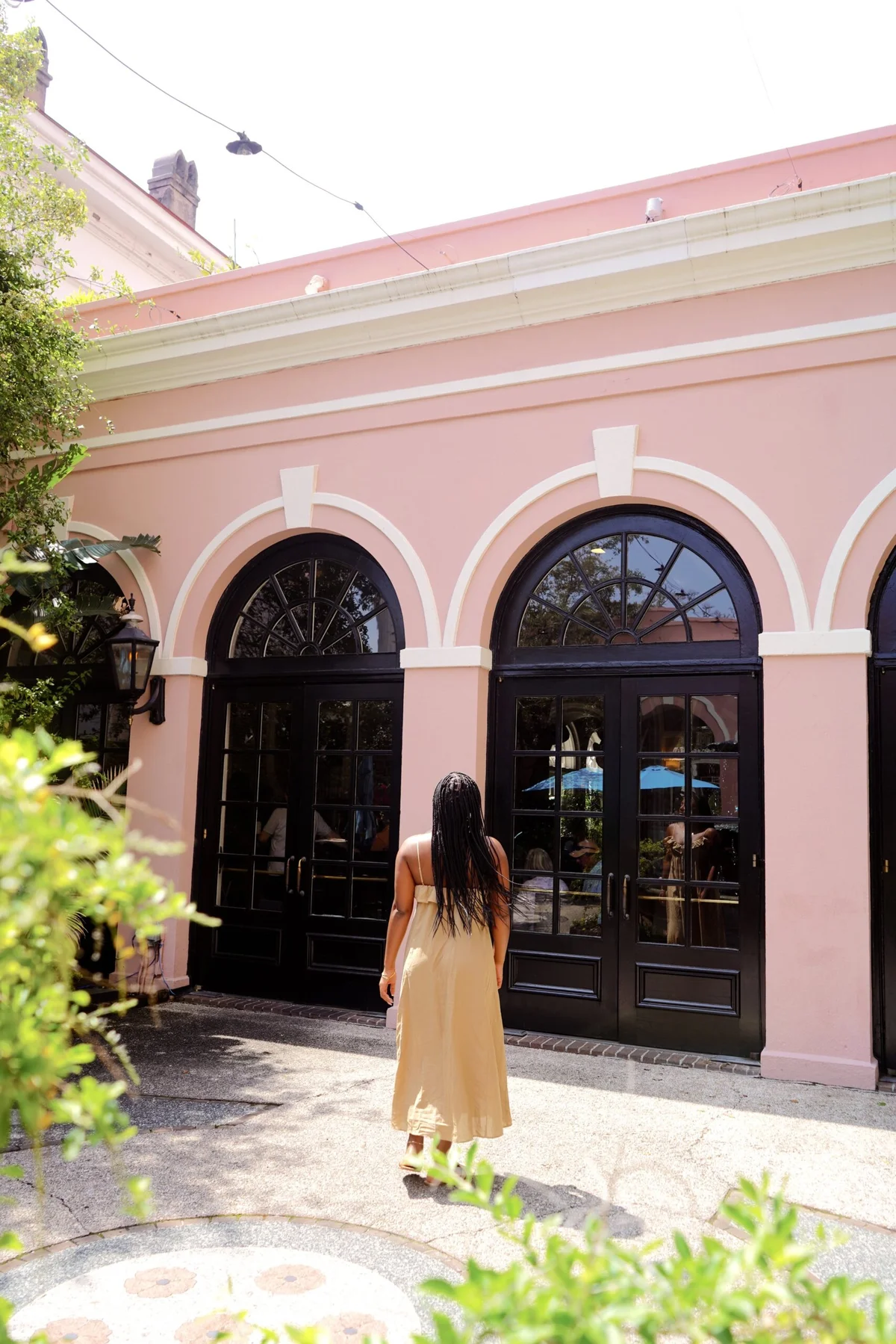
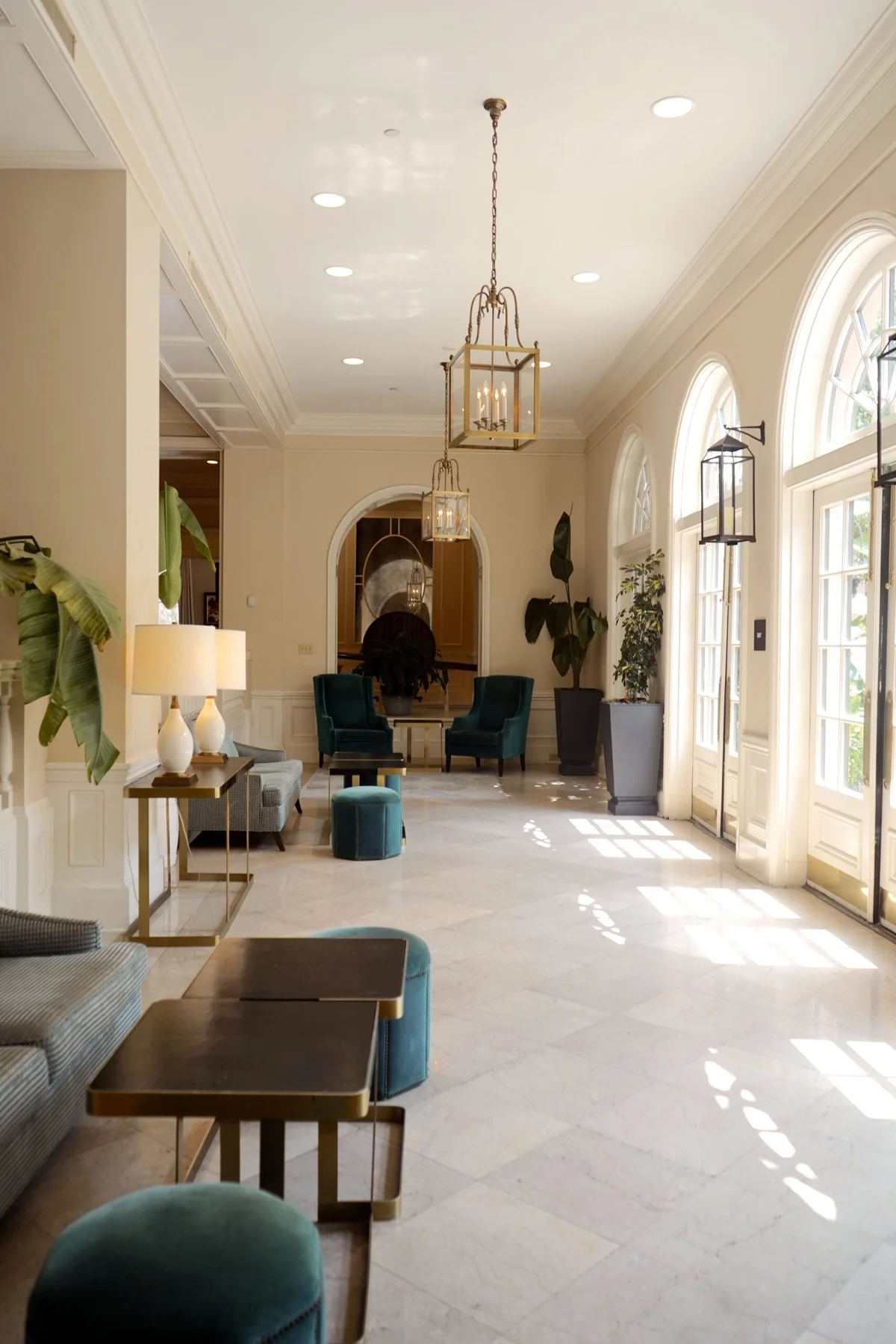
I stayed at the Mills House Wyndham Hotel — a pink building built in 1853 that sits just steps from the historic sites. It has a pool, fitness center, and an on-site restaurant. From there, the Charleston City Market is .2 miles away, the Gibbes Museum of Art is 315 feet, the Aiken Rhett House is 1.1 miles, and the Charleston Museum is .9 miles. I walked most of it.
What to Do
Charleston City Market. Four long blocks of shops established in the 1970s. Go for the sweetgrass baskets — a weaving tradition passed down through Gullah culture for generations. I met Corey Alston, a direct descendant of a Gullah Geechee family, at his front-row stall. He showed me how each basket is made and shared stories that made the craft feel alive rather than souvenir.
Crabbing with Tia Clark. Charleston knows seafood, but few visitors get to pull crabs from the water themselves. Tia is a local who Airbnb hand-selected as one of its best experiences on the platform. She’ll teach you how to cast a net, set bait, and fish. I didn’t catch much that day, but that’s part of it — stepping outside your comfort zone is the point.
The Battery & White Point Gardens. A former public garden and Civil War fortification, now a quiet park overlooking Charleston Harbor. Sit under the oak trees, smell the salt water, watch the harbor light change in the late afternoon. It’s the kind of spot that makes you glad you didn’t book another activity at 4 p.m.
Boone Hall Plantation. A moving look at the life of enslaved people on Southern plantations. Don’t leave without catching a live Gullah Culture presentation from a third-generation Gullah born in South Carolina.
The Angel Oak Tree. Drive out to Kiawah Island for this one. Over 500 years old, 65 feet tall — the branches literally graze the ground. It’s not hard to see why people call it a natural wonder.
Aiken Rhett House. A self-guided tour through one of the best-preserved homes in the US since the 1830s. The contrast between the lives of those who owned and those who were enslaved under the same roof is stark and worth sitting with.
Rainbow Row. Pastel-colored homes dating back to the 1740s, cobblestone streets, camera already in hand. You’ll walk through this before reaching The Battery — it’s on the way and easily the most photogenic stretch I’ve seen in a Southern city.
If you want more, there are ghost tours, craft beer bars, beaches, and King Street for wandering. Three days fills up quickly here.
What to Eat
- The Watch — rooftop brunch with views over Charleston. Get the roasted pimento cheese dip.
- Mesu — sushi and Mexican fusion at a Black-owned spot on King Street.
- Miller’s All Day — Southern breakfast done right. The biscuits and gravy are exceptional, and there’s a 175-year-old mill in the front of the store where they produce their grits.
- Chez Nous — an intimate candle-lit home with a daily-changing menu.
- Rodney Scott’s — James Beard award-winning barbecue. Anthony Bourdain featured this place, and the reputation holds up.
- The Graft — wine bar with live jazz. Black-owned, good vibes only.
- Callie’s hot Biscuits! — hand-made biscuits that are genuinely some of the best in town. The founder Carrie makes them by hand at the Charleston location, which is also where she started before expanding to Atlanta and Charlotte.
- Caviar & Bananas — specialty goodies to go. Grab something here for a picnic at Battery Park.
- Gillie’s Seafood — traditional Gullah soul food. Every local I spoke with said this was non-negotiable. Show up hungry.
- Church and Union — brunch inside a refurbished cathedral. The space alone makes it worth the visit.
No matter where you eat, try the Southern classics: grits, fried green tomatoes, and she-crab soup. I’m not exaggerating when I say any of these would change your mind about what comfort food should taste like.
The Golden Hour
Walk along The Battery at sunset. The harbor turns gold, the oak trees catch the last light, and for a moment the whole city feels like it’s breathing slowly enough to actually notice it.
How many days do you need in Charleston?
Three days is enough to hit the main sites — market, plantation, Angel Oak, Rainbow Row — and still have room for wandering. Four gives you breathing space.
Is Charleston good for solo travelers?
Absolutely. The downtown area is very walkable, the food scene encourages counter seating and people-watching, and the history feels best absorbed at your own pace.
What’s the one thing not to miss?
The Charleston City Market for culture (sweetgrass baskets, Gullah heritage), and Gillie’s Seafood for food. If you can only do two things on a short trip, make them these.
Charleston lived up to the hype — which is rare. It has history without feeling like a museum, food without needing reservations at every corner, and streets that invite you to walk slower than usual. I’d go back in an instant.
A note from Luna: some cities hand you a checklist. Charleston hands you a feeling — and then fills the rest with good food and cobblestone roads worth walking barefoot on, if the evening is warm enough.