
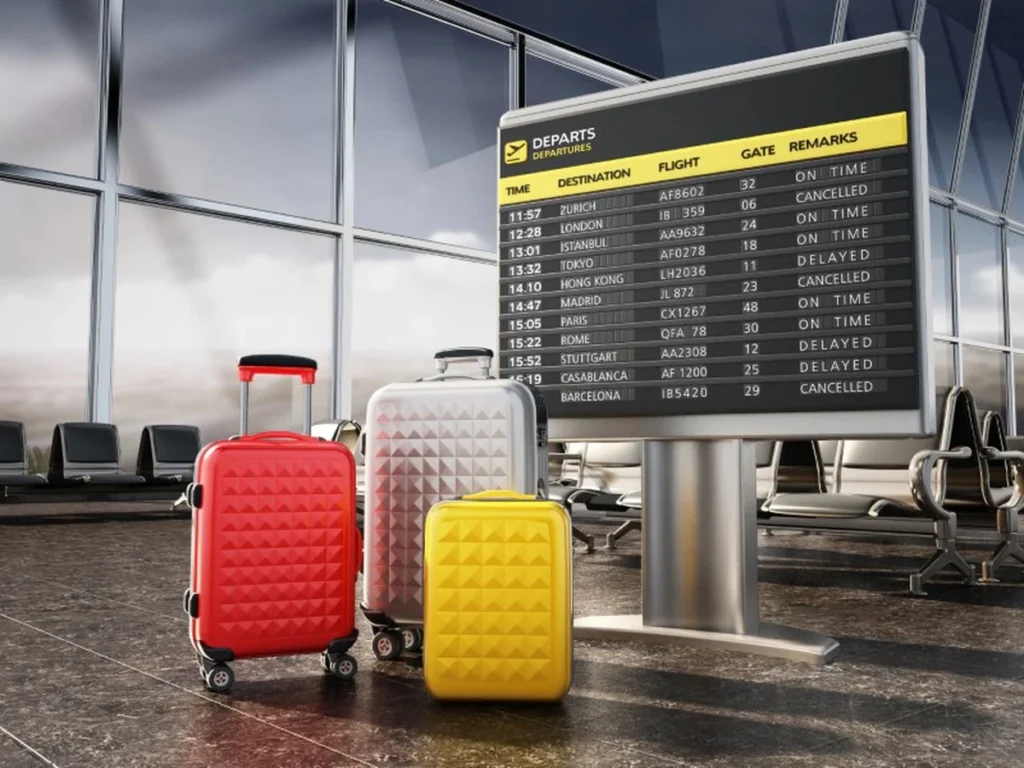
The terminal was quiet at 9 p.m. — the kind of quiet that only exists in airports after the last boarding call. My flight was gone. Not delayed. Gone. I sat down, closed my notebook, and did something I’ve learned to do after a few of these nights: breathe, then plan.
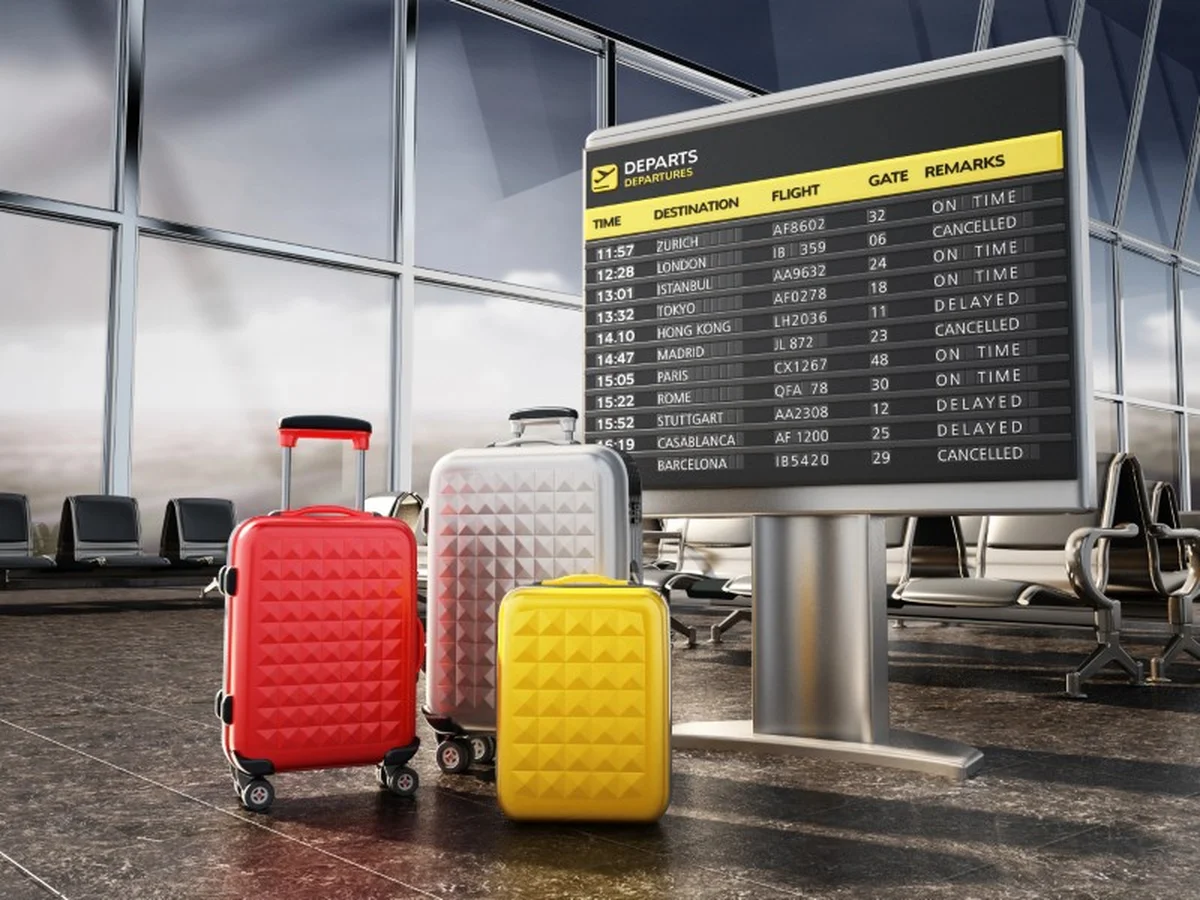
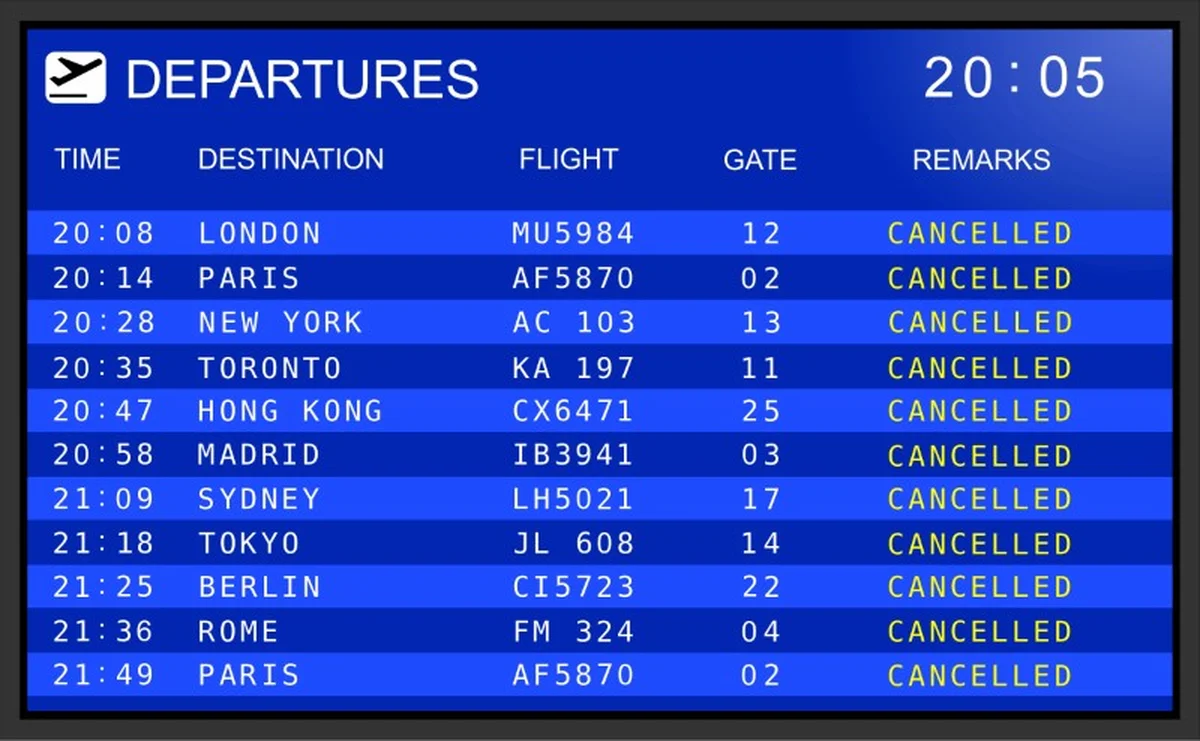
If you’ve ever watched a departure board flip a row of flights to CANCELLED, you know the feeling. It’s rarely about the money. It’s about the evening you’d already let go of. The good news, if you’re flying from or within the European Union, is that you’re covered by some of the strongest passenger rights in the world. You just need to know where to look.
Under EU Regulation 261/2004 — usually shortened to EU261 — airlines owe you more than an apology and a coffee voucher. They owe you a refund or a reroute, care while you wait, and in many cases, real compensation. Here’s how to use it, step by step, in the order you’d actually want to do it.
Step 1: Find out why it happened
Before anything else, ask the airline why. It sounds obvious, and it’s the most skipped step. The reason decides whether you get money or just a new seat.
If the cancellation was within the airline’s control — a technical fault, crew shortage, operational problems — you may be owed compensation. If it was an “extraordinary circumstance” under EU law (severe weather, political unrest, airport closure, security risk, air traffic control strike), they still have to take care of you, but they may not have to pay out.
So: ask, note the answer, and move on. Don’t argue at the gate about it. Keep the fight for later, in writing, if you need to.
Step 2: Refund or rebook — you get to choose
EU law gives you a genuine choice, and airlines sometimes quietly push one option. Your options:
- A full refund of the ticket price, covering the unused part of your journey. If a connection made the rest of the trip pointless, you may also be owed a return flight to where you started.
- Rerouting to your final destination as soon as possible, under comparable conditions.
- Rerouting at a later date that suits you — handy when your plans are flexible and a few extra days in the destination wouldn’t hurt.
My advice from experience: if you’re already at the airport and your plans are flexible, take the rebooking. If the airline can’t get you there same-day and you don’t need to be there by morning, the refund is the cleaner choice. Decide once, and hold the line.
Step 3: Claim your right to care
Even when the airline isn’t “to blame” for the cancellation, they still have to look after you while you’re stuck there. That duty is real:
- Meals and refreshments that match the length of the wait.
- The chance to make a phone call or send an email — which, let’s be honest, is the first thing you want.
- If the new flight is the next day: a hotel and transport to it. Not a hostel. Not a couch. A hotel.
If they fumble it, pay for reasonable expenses yourself and keep every receipt. You can ask for them back. I once paid for a late dinner and a taxi from memory and lost the claim. Never again. The receipt is the argument.
Step 4: Check if you’re owed money
This is the part people ask about most. Compensation under EU261 is distance-based:
- €250 for flights up to 1,500 km
- €400 for flights between 1,500 and 3,500 km
- €600 for flights longer than 3,500 km
It typically applies when the airline cancels less than 14 days before departure and the disruption was within their control. If they can reroute you and the new flight lands close to your original arrival time, the amount may be reduced or dropped entirely. Not every cancellation pays. But many do.
Keep the distance in mind when you’re booking. That long-haul connection you’ve been eyeing has a bigger compensation ceiling behind it, which is one reason I’ve started preferring it when the price is close.
Step 5: Gather your evidence
A claim without paperwork is a story. A claim with paperwork is a case. Keep everything you can:
- Boarding passes and booking confirmations
- Emails or notifications from the airline
- A photo of the departure board showing the cancellation — the board doesn’t lie, but it does change, so photograph it while you can
- Receipts for meals, transport, and any hotel stay
- Notes of any conversation with airline staff — names if you can get them
Five minutes of phone photos in the terminal saves an hour of “well, actually, I remember it differently” later.
Step 6: Submit the claim
Most airlines have an online form for this. Fill it in, attach what you have, and send it. It’s the least dramatic part of the whole process, which is the point.
Some airlines reject claims first, arguing the cancellation was an extraordinary circumstance. If that happens, you can escalate to your national aviation authority, or use a third-party claims service. Companies like AirHelp handle the process for you on a no-win, no-fee basis — they take a percentage only if you win. AirHelp is the one most often mentioned. I haven’t used them myself, but the model makes sense for people who’d rather not argue with a call center.
How long do you have?
Deadlines vary by country — national law sets the limitation period — but in many European countries you have several years. You don’t have to file from the terminal bench at midnight. But the sooner, the easier: the receipts are fresher, the emails are still in your inbox, and you remember what the staff member actually said.
A few habits that make the next one easier
Some of these feel obvious. They’re only worth doing once.
- Turn on the airline’s flight notifications before you leave home. Many cancellations are announced hours ahead, which is enough time to change plans instead of discovering them at the gate.
- Pack your carry-on like you’re expecting nothing from checked luggage. Medication, charger, toiletries, a change of clothes. If you travel with small children, diapers and the essentials for one night. The overnight-wait scenario is more common than you’d think, and the people who carry for it are the ones who sleep.
- Book earlier in the day when you can. Morning departures catch less of the cascading delay wave that builds through the afternoon. It’s not a law, but it’s a pattern.
FAQ
Does EU261 apply if I’m not an EU citizen?
Yes, as long as the flight falls within the regulation’s scope — generally, any flight departing from an EU airport, and flights arriving in the EU on an EU-based airline. Nationality and where you bought the ticket don’t matter.
What if the airline says it was “extraordinary circumstances”?
They may not owe you compensation, but they still owe you care — meals, a phone call, and a hotel if you’re stranded overnight. If you believe the reason was actually within their control, that’s when the written claim and, if needed, the national authority come in.
Do I have to use a claims service?
No. You can claim directly through the airline’s online form. Services like AirHelp are useful if you’d rather hand the process over, and most work on no-win, no-fee terms.
Flight cancellations aren’t the end of a trip. They’re the part where you find out how much of the plan was really yours to keep. A few minutes of asking, photographing, and filing turns a bad evening into a manageable one — and sometimes into a few hundred euros you didn’t expect.
Some nights, though, you just sit at the station and wait for the light to come back on. That’s allowed too.
a note from Luna: I keep a small packet in my carry-on for exactly this — a spare charger, a folded towel, and a notebook for writing the claim notes down before I forget them. It has saved me at least twice. If you only take one thing from this post, take that.