
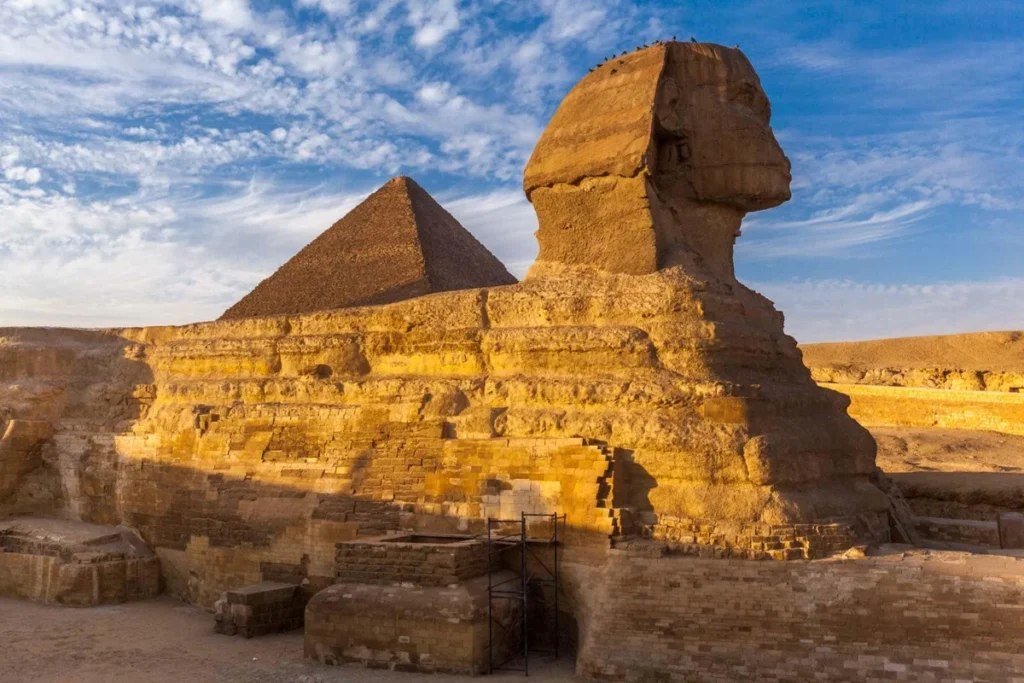
I arrived in Cairo at dusk after a long flight, and the city hit me like a wave — traffic noise, honking horns, people calling out on every corner. My stomach tightened for a moment, then I stepped onto the street and it just started making sense.
Egypt is not a place where you can completely switch off your brain. But it is safe, and it is worth it, if you go in with your eyes open and a few simple strategies in mind.
This is what I learned from multiple trips across the country — from pyramids to desert nights to quiet evenings on the Nile.
The Quick Answer
Overall risk: Medium. Violent crime against tourists is rare, but petty crime, scams, and persistent attention are normal. Stay aware, stay calm.
Tourist areas: Cairo, Luxor, Aswan, and the Red Sea resorts are heavily policed and generally safe.
Solo female travelers: Expect a high level of verbal harassment — it’s rarely threatening but can be tiring over time. A guide or small group tour makes a real difference.
Tap water: Not safe to drink. Stick to bottled or filtered at all times.
Why Egypt Has a Reputation for Being Unsafe
The concern is not made up. Most of us know modern Egypt through news headlines — the 2011 Revolution, political shifts, isolated security incidents in tourist areas. These were real events, and they left a mark on how travelers see the country.
I was there just after the revolution. There were more police and military around than I’d expected, but we felt safe walking through the streets.
Today, security measures at major sites, hotels, and along main routes are some of the most thorough you’ll find anywhere. The visible presence is not a sign that something is wrong — it’s part of how Egypt protects its tourism infrastructure.
Cairo Versus Everywhere Else
Cairo is one of the world’s great megacities, with more than 20 million people. It is loud, crowded, and chaotic. I’ve spent days navigating its streets and never felt personally unsafe — just occasionally overwhelmed. Pickpocketing happens in busy spots like the Khan el-Khalili bazaar. Cross every street three or four times before stepping out.
Luxor and Aswan slow things down considerably. Life revolves around the Nile, and these cities feel much more manageable. The real challenge here is not crime but persistence — you will be approached constantly for carriage rides, felucca trips, guided tours. A firm "La, shukran" (no, thank you) and keep walking.
{{image:image-01.webp}}
The Red Sea resorts — Sharm el-Sheikh, Hurghada — are a different world entirely. They exist in what feels like a resort bubble with security checkpoints on the roads leading in. Inside, it’s relaxed, warm light and sea breeze. The same safety rules apply as any beach destination: watch your stuff, don’t overdo the sun.
When travel advisories mention regions to avoid, they’re usually referring to the Sinai Peninsula (not the Sharm El Sheikh resorts) and the western desert near Libya. These areas require an armed escort for independent travel.
Common Scams — And How to Handle Them
Most of these are annoyances rather than dangers, but knowing them in advance saves you money and patience.
The "Come See My Shop" approach. A friendly local starts a conversation, then invites you to a cousin’s or brother’s shop for a special price. Smile, say no thank you, keep walking.
Taxi meter is broken. Classic and universal. Agree on the fare before getting in — better yet, use Uber or Careem where the price is fixed.
The papyrus or perfume shop detour. Guides sometimes bring tourists to specific shops because they receive a commission. I went along once with my guide’s suggestion for a "government-approved" papyrus institute — it was interesting, if lengthy. It’s perfectly fine to decline and say you’d rather spend more time at the temple.
Photo assistance for a fee. Someone offers to take your picture from a perfect spot, then expects baksheesh (a tip) in return. If you don’t want to pay, just politely refuse any help with photos from the start.
Health and Hygiene
Tap water: No, do not drink it. The local system isn’t treated to the same standards visitors are used to. I even use bottled water for brushing my teeth — an extra precaution that can save a day or two of stomach discomfort.
Avoiding Pharaoh’s Revenge:
- Eat at busy places where locals eat — high turnover means fresher food.
- Choose hot, freshly cooked dishes over raw salads sitting out.
- Peel it or forget it: bananas and oranges are your friends.
- Skip the ice unless you’re in a high-end hotel.
Vaccinations: Check with your doctor before going. Routine shots should be up to date, and they may recommend Hepatitis A and Typhoid for Egypt.
Egypt for Solo Female Travelers
{{image:image-02.jpg}}
I’ll be direct: it’s challenging but absolutely doable. The main issue is verbal harassment — catcalls, staring, repeated comments from strangers. It’s rarely a physical threat, but it can be mentally exhausting over time.
Here’s what helps:
- Dress conservatively. Cover shoulders and knees, wear looser clothing. A lightweight scarf works for sun, for warmth on cool evenings, and for covering your head in mosques.
- Consider a tour or guide for your first visit. It removes the hassle layer so you can focus on the history and beauty.
- Walk with purpose. Avoid prolonged eye contact. Don’t be afraid to say "no" firmly and loudly.
- A fake wedding ring helps deter some unwanted advances.
- Use Uber or Careem instead of street taxis — digital record, set price.
The Golden Hour
The hour just before the call to evening prayer in Luxor. The light turns golden on the temple walls, the touts quiet down, and you can walk along the Nile with nothing to buy and nowhere to be. It’s the kind of moment that makes all the planning worth it.
Top Safety Tips
- Hire a licensed Egyptologist or guide — they handle logistics and keep touts at bay.
- Dress conservatively: cover shoulders and knees in light, loose fabric.
- Never drink the tap water — bottled only, even for brushing teeth.
- Say "La, shukran" firmly and with a smile.
- Always agree on a taxi price before getting in.
- Keep valuables in front pockets or zipped bags.
- Purchase travel insurance (I use World Nomads or SafetyWing).
- Eat freshly cooked food and fruit you can peel yourself.
- Share your itinerary with someone back home.
- Trust your instincts — if something feels off, move on.
Should You Use a Tour Operator?
For most first-time visitors to Egypt, yes. I often travel independently, but for this country, a reputable tour operator or small group tour adds enormous value in both enjoyment and peace of mind.
A good guide handles tickets and transport, acts as a buffer against persistent touts, and brings 4,000-year-old temples to life in ways no guidebook can. Tour operators also know the best times to visit sites to avoid crowds and midday heat.
You can certainly travel Egypt on your own — many people do, with patience and planning. For a first trip, I think the benefits of an organized tour outweigh the costs. I often book day tours through GetYourGuide or Viator to vet local operators.
What to Wear in Egypt
Balance comfort for heat with respect for conservative culture. For both men and women, I recommend lightweight linen trousers, long skirts or dresses, and t-shirts or blouses rather than tank tops. A scarf is the most useful accessory you can pack.
Frequently Asked Questions
Is it safe to take a Nile cruise?
Yes — a Nile cruise between Luxor and Aswan is one of the safest ways to see the major historical sites. The boats are secure, and all travel stays within the heavily protected tourist corridor.
What is the emergency number in Egypt?
Police: 122. Ambulance: 123. Save these in your phone along with your country’s embassy contact in Cairo.
Do I need a visa to travel to Egypt?
Most travelers from Canada, the USA, and the UK need a visa — typically obtained on arrival or through the official e-Visa portal in advance.
Is it safe to drive in Egypt?
I don’t recommend driving. Cairo traffic is extremely chaotic, and road rules differ from what most visitors expect. Use tour operators, domestic flights, trains, or ride-sharing apps like Uber instead.
Is Egypt safe for families with children?
Yes — Egyptians adore children, and kids can act as an icebreaker. The heat, long travel days, and busy cities can be challenging for little ones, so a family-focused tour with a slower pace helps.
Is haggling expected in Egypt?
Absolutely. In markets and bazaars like Khan el-Khalili, the first price is rarely the final one. Be polite, keep your humor, and don’t be afraid to walk away if you can’t agree on a comfortable price.
What currency should I use in Egypt?
The Egyptian Pound (EGP). Some hotels and tour operators accept US Dollars or Euros, but EGP gives the best rates for daily expenses. ATMs are widely available in cities.
Egypt isn’t a destination where you can check out of your own brain entirely. There are regions to avoid, hassles to navigate, and a level of awareness that some destinations don’t demand. But the reward — standing in the shadow of monuments built thousands of years ago, watching the sun set over the Nile, finding quiet corners in crowded places — outweighs all of it.
If you are resilient, patient, and armed with good information, go. It’s a trip that will challenge you and stay with you long after you come home.
A note from Luna: I once booked what looked like the perfect guided tour in Cairo — only to realize halfway through that my guide was reading everything straight from a brochure. The second time, I chose someone who actually paused at the walls and started talking about their grandmother’s stories of growing up nearby. That’s the difference between seeing Egypt and feeling it.